

Always Forward
Rooted in strategic insight, powered by creative storytelling, and committed to measurable results, AIM B2B arrives when many respected brands are seeking stronger, smarter ways to connect with increasingly sophisticated and demanding B2B audiences.
AIM B2B’s launch sets a new standard for B2B marketing excellence.
Custom Media is proud to announce the launch of AIM B2B, a next-generation agency built with a bold mission: to redefine the landscape of B2B public relations and marketing in Japan and the rest of Asia. Rooted in strategic insight, powered by creative storytelling, and committed to measurable results, AIM B2B arrives when many respected brands are seeking stronger, smarter ways to connect with increasingly sophisticated and demanding B2B audiences. And we are pleased to report that AIM B2B has already won three major global and local awards for marketing and operations in 2025.
At its core, AIM B2B focuses on a simple yet powerful promise—bringing your brand to life. The agency offers a comprehensive suite of services designed to accelerate growth, build trust, and deepen engagement in competitive markets. From data-driven strategy and distinctive branding to compelling narratives and digital experiences that captivate, AIM B2B helps organizations break through barriers and surpass expectations.
Proven Framework
Central to AIM B2B’s methodology is the AIM Framework—a structured, three-phase process that integrates decades of industry expertise.
- Adapt: Deeply understanding each client’s market, audience, and unique vision through discovery, strategic planning, and tailored localization.
- Implement: Bringing visions to life with creative storytelling and precise activation strategies that ensure impactful engagement.
- Maximize: Continuously tracking, analyzing, and refining campaigns to deliver measurable growth and sustained success.
Our promise is simple: always forward. We’re here to move your business forward with purpose and precision—helping you go beyond what’s expected and explore new possibilities.
Co-founding Publisher Simon Farrell said: “As longtime B2B publishers—including of The ACCJ Journal, BCCJ ACUMEN, and The Canadian for several years—storytelling is in our DNA. It has earned us trust, reliability, and deep relationships in the market, and AIM B2B carries that legacy forward.”
The Future of Content Marketing
The launch coincided with AIM B2B’s presentation of its landmark report, Insights from the Content Marketing Landscape in Japan, at an exclusive Tokyo event featuring senior marketing leaders. One standout finding revealed a major shift: proficiency in artificial intelligence (AI) has emerged as the top skill marketers need to master in the next 12 months to three years. Last year’s hesitancy around AI has given way to urgency, reflecting an environment where technology is evolving faster than strategy; marketers must balance innovation with responsibility.
Triple Crown of Awards
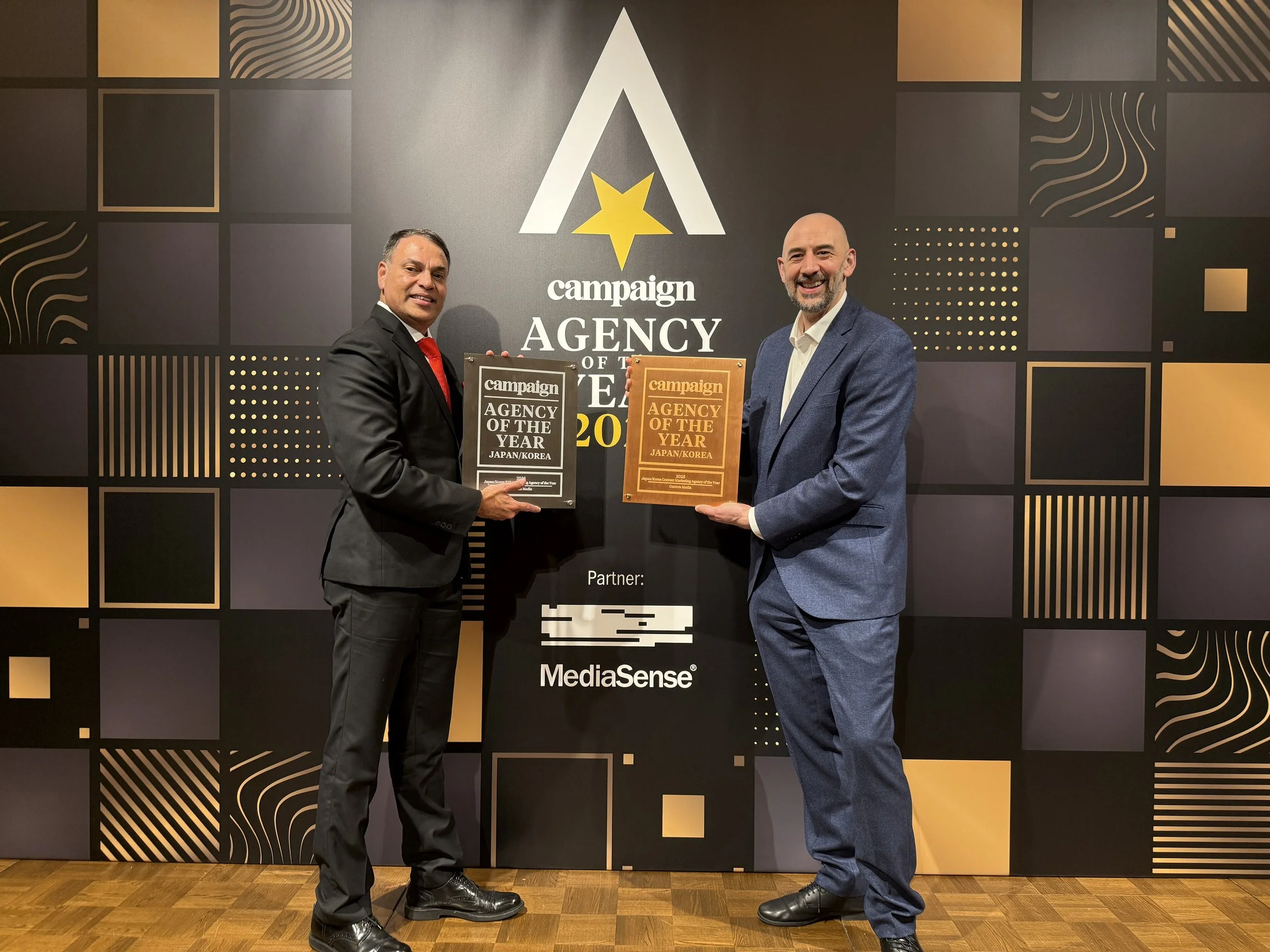
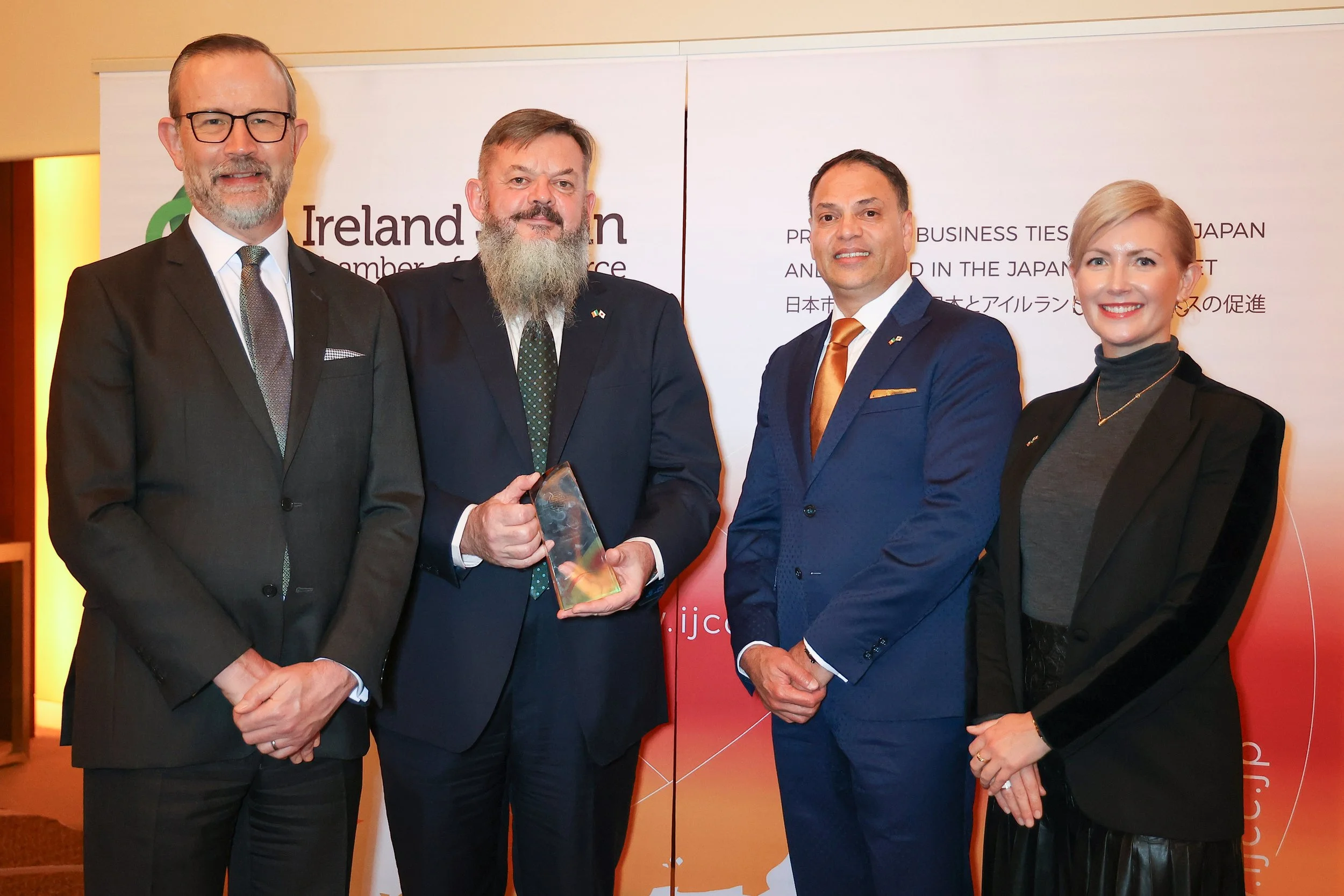
AIM B2B’s debut comes during a remarkable season of recognition. The agency earned top honors at the 2025 Campaign Asia Agency of the Year Awards, completing a Triple Crown of recent wins that includes the BBN Golden Bees, and the Ireland Japan Chamber of Commerce (IJCC) Business Awards. Key wins include:
- Campaign Asia: Japan/Korea B2B Marketing Agency of the Year (Silver); Content Marketing Agency of the Year (Bronze)
- BBN Golden Bees: Double Gold—Best Event Experience and Best Content Marketing Campaign
- IJCC Business Awards: SME of the Year
These wins remind us that great work is never achieved alone. Every success reflects the trust of our clients and the dedication of our incredible team. I’m excited about what we will build together in the year ahead.
Contact AIM B2B today to discuss your strategy for 2026:
aim-b2b.com
always.forward@aim-b2b.com
03-4540-7730

Nurturing Global Citizens
Bringing more than 160 years of UK educational history to western Tokyo, Malvern College’s Kodaira campus offers an international learning environment with small classes, outstanding facilities, and and strong support.
Malvern College Tokyo prepares young people for a vibrant future.
Bringing more than 160 years of UK educational history to western Tokyo, Malvern College’s Kodaira campus offers an international learning environment with small classes and strong support.
Part of the Malvern College family, the school focuses on inquiry-based learning, nurturing independence and problem-solving skills while instilling a love of discovery in its students. Incorporating a British approach to teaching, it offers an excellent standard of education, covering not only traditional academic subjects but also entrepreneurship, financial literacy, design, and social and emotional learning, as well as science, technology, engineering, arts, and mathematics (STEAM) disciplines to give students a well-rounded foundation that prepares them for the road ahead.
As an accredited IB World School, Malvern College Tokyo currently offers the Primary Years Programme and the Middle Years Programme, and is working towards offering the Diploma Programme, providing students a complete pathway from age four to 18.
The school engages in a global exchange program with Malvern College UK as well as shorter exchanges with other Malvern schools, exposing students to new environments and broadening their horizons.
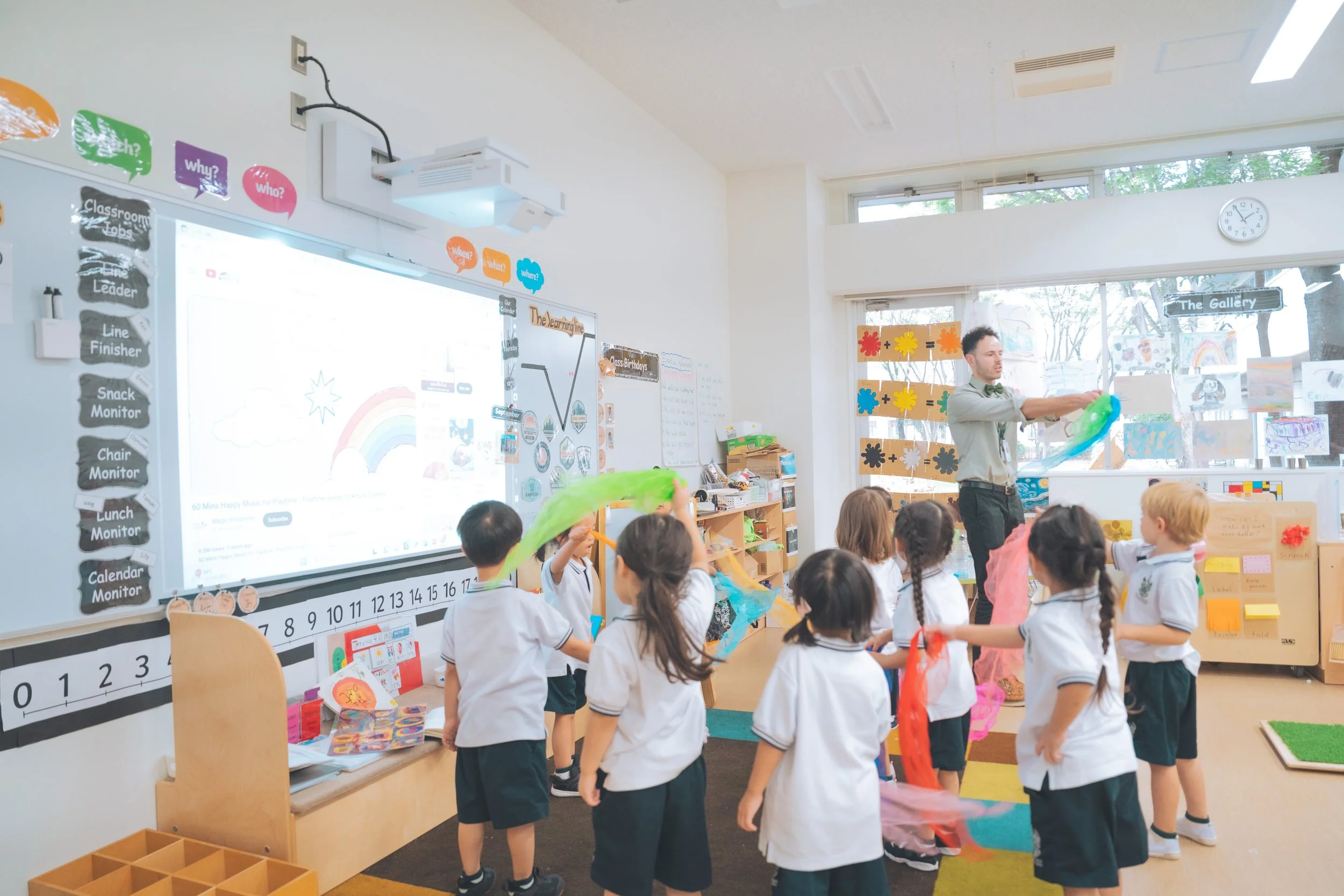
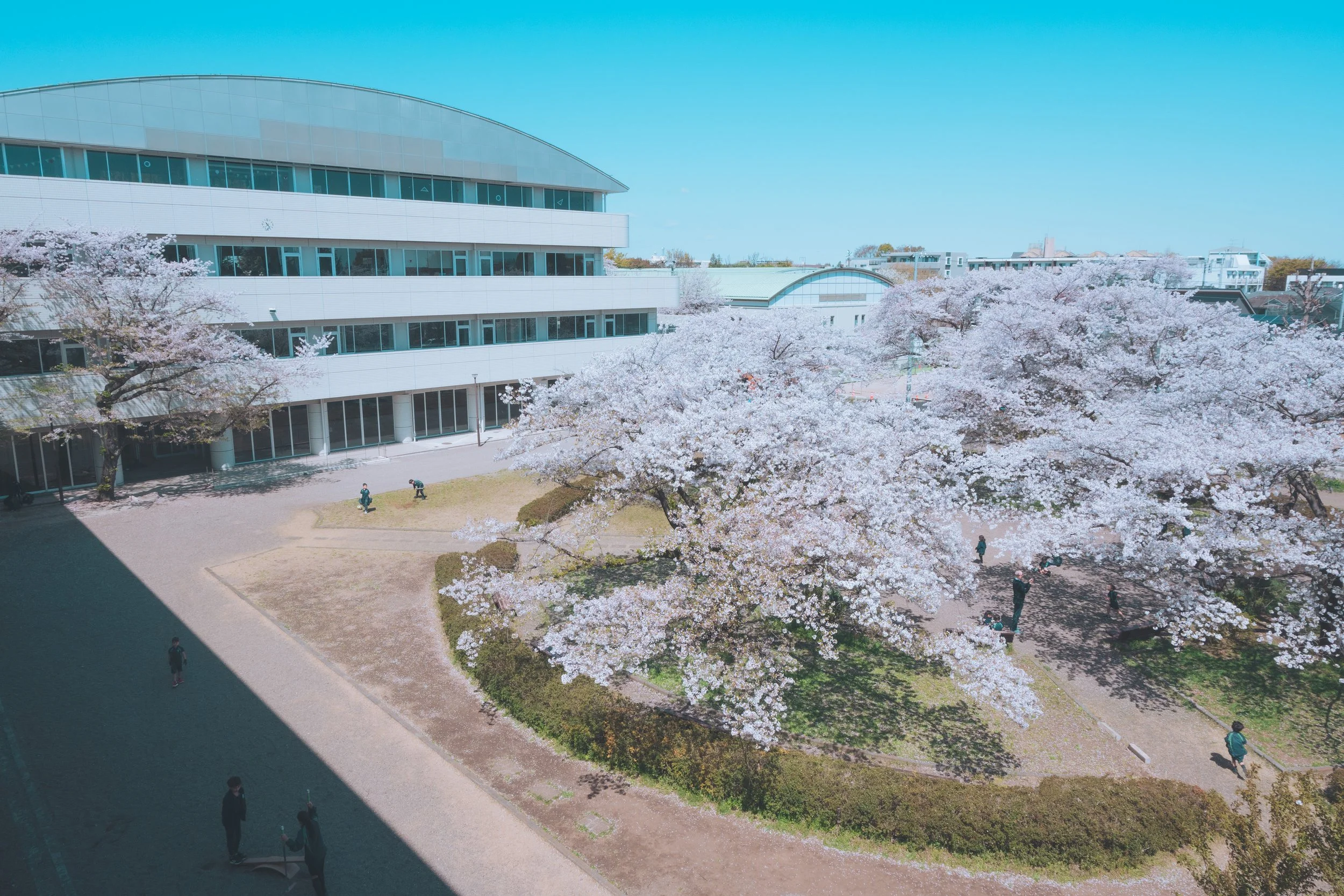
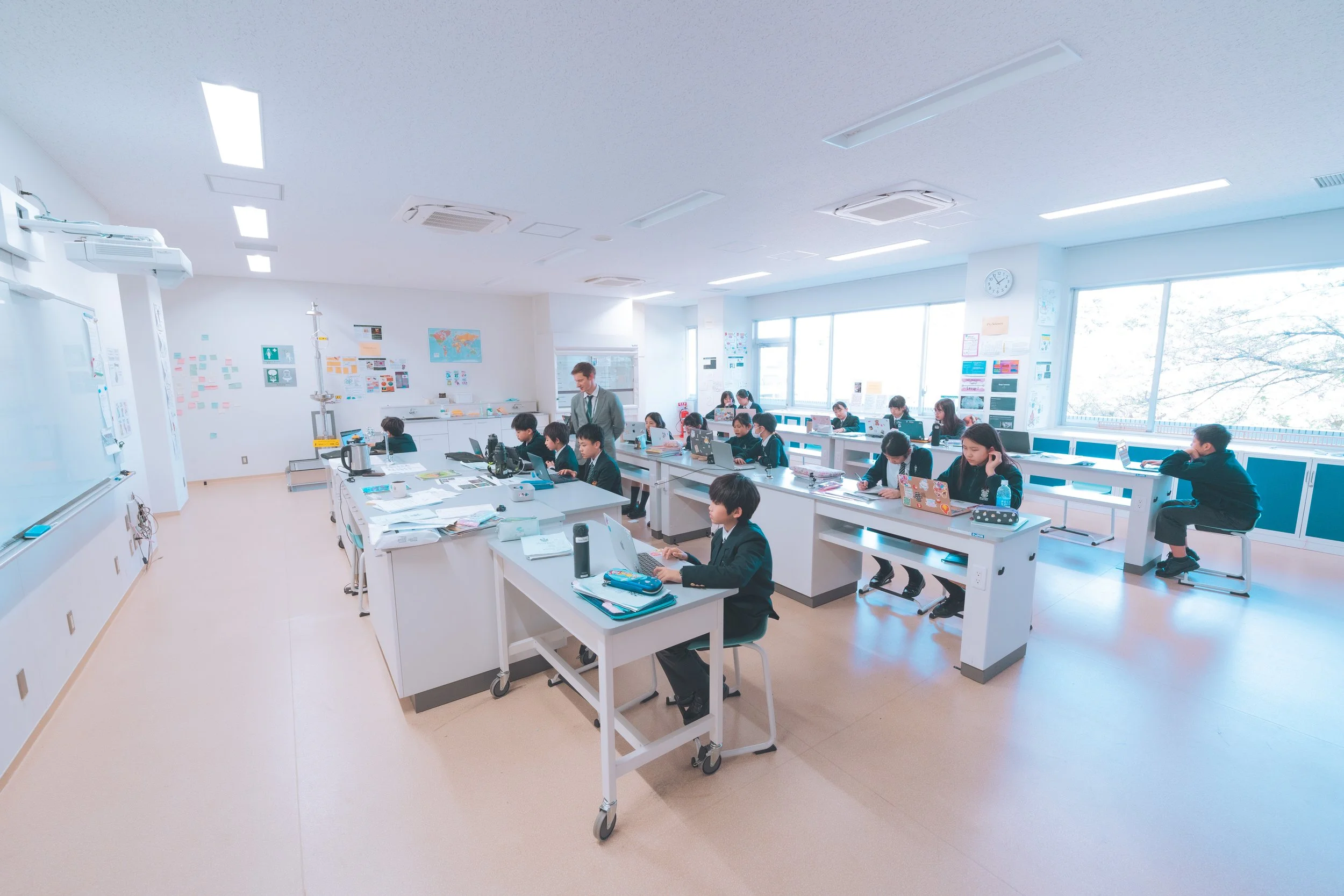
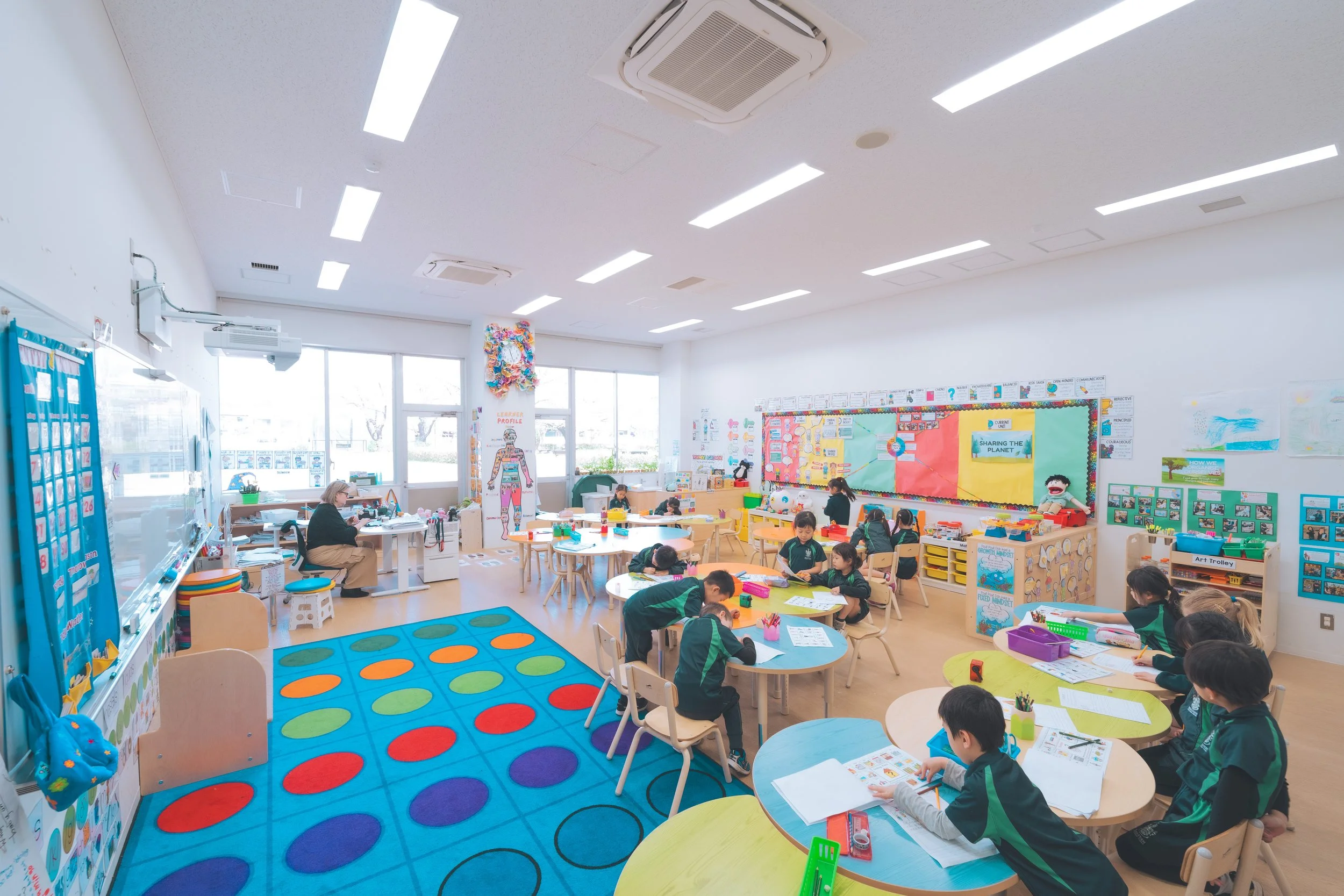
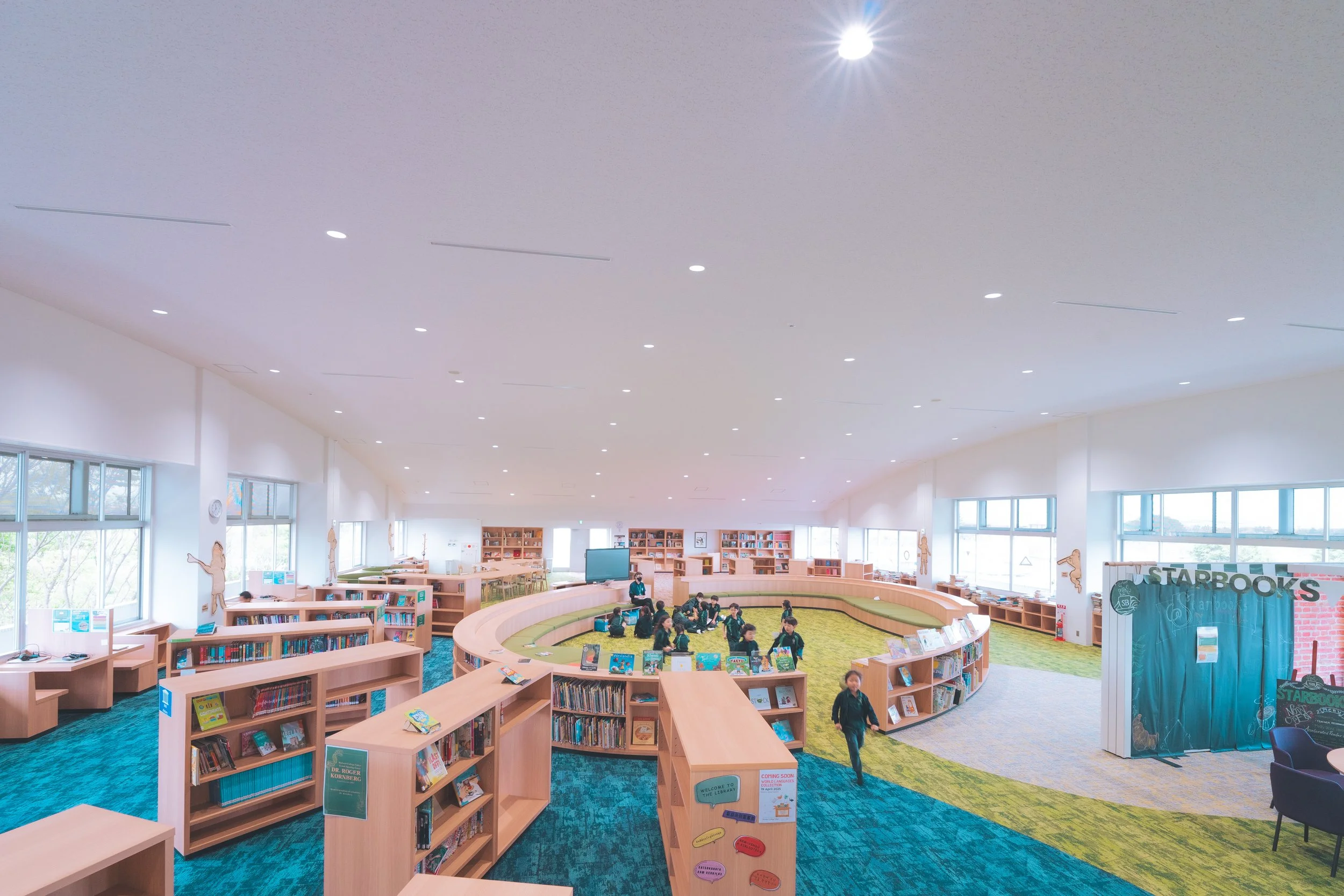

Its approach is supported by outstanding facilities, including science labs, a STEAM and design room for science and engineering, a two-story gymnasium and all-weather pitch for sports and fitness, a library, and expressive and visual arts studios to foster imagination and promote creativity. A cafeteria, the signature Sakura Garden, and both indoor and outdoor play spaces nurture students’ overall wellbeing and engagement. These facilities accommodate a variety of opportunities for students in performing arts, sports, and enrichment activities, allowing them to develop talents and interests beyond the standard curriculum.
Malvern places a strong emphasis on pastoral care, keeping class sizes small and providing dedicated tutor time to ensure each individual is acknowledged and supported. Students’ bonds with each other are nurtured through a traditional British House system, which places students in houses to foster team spirit, enhance belonging, and enrich school life. This extends into the local community, as the parent group, Friends of Malvern, works to strengthen the partnership between families and the school.
For families interested in learning more about what Malvern College Tokyo has to offer, the school operates the 360° Malvern Experience, which includes tours and workshops that allow parents to experience firsthand what it’s like to be a Malvern student. The first step in the program is an information session called Malvern Meet, which will take place on January 28. This will be followed by weekly tours available in both English and Japanese.

To find out more: malverncollegetokyo.jp

Back to Nature
For many travelers, Niseko is synonymous with winter. But with year-round operations, MnK is offering programs that help children build confidence, develop problem-solving skills, and forge friendships that extend beyond summer.
EdVenture camps blend outdoor discovery with English skills in Niseko.
For many travelers, Niseko is synonymous with winter. When Midori no Ki (MnK) founders Chi and Eddie Guillemette began operations nearly 20 years ago, they focused on building homes where families could enjoy the region’s legendary powder snow with more space, privacy, and comfort than traditional Japanese hotels. After spending a summer in Niseko with their young family, they also recognized that other families would benefit from a program combining adventure and education. EdVenture Kids Camp was born.
Their first development, Country Resort, introduced this new type of stay in Niseko and set the foundation for future real estate developments at The Orchards Niseko, Akazora, and Takeo Drive. As these neighborhoods flourished, MnK evolved into a year-round hospitality company with diversified offerings: food and beverage outlets, property management, real estate services, a ski school, and concierge services.
The shift to year-round operations enabled MnK to attract and retain full-time staff rather than relying on seasonal workers. More families began discovering the region for its farm-to-table cuisine, hiking, rafting, cycling, and unhurried pace that contrasts sharply with urban life across Asia. Parents sought destinations where their children could spend meaningful time outdoors, develop new skills, and build friendships—needs that EdVenture’s experiential learning programs were designed to fulfill through Niseko’s forests, rivers, farms, and open spaces.
The EdVenture program’s reputation for helping children gain independence and outdoor confidence attracted the attention of Les Elfes, the prestigious Swiss-based provider of ski trips for international schools seeking to expand into Asia. MnK partnered with Les Elfes by investing in the infrastructure necessary to deliver safe, high-quality overnight programs for older children.

In 2025, the EdVenture Activity Center was completed, featuring a commercial kitchen, dining room, and extensive indoor/outdoor facilities that serve as the operational hub for the week-long programs. Over the past two years, MnK has constructed four dedicated camp lodges with 80 beds to provide safe, comfortable environments for campers. Each lodge has on-site staff supervision and thoughtfully designed spaces for connection and rest.
EdVenture’s overnight summer camps combine outdoor adventure with structured skill development. Campers engage in hiking, biking, river rafting, orienteering, cooking, team challenges, and creative age-appropriate projects that transform the natural environment into an interactive classroom. Days are purposefully active and varied, while evenings emphasize group activities, reflection, and community-building. Conducted entirely in English (with Japanese and other languages supported), the programs help children build confidence, develop problem-solving skills, and forge friendships that extend beyond summer.
MnK offers camp formats to accommodate diverse family needs:
- Weekly Camp (ages 3–9) blends hands-on adventures with an overnight camping trip, giving children the chance to build confidence, practice English through activities, and connect with nature while trying new things in a supportive, screen-free environment.
- Overnight Camp (ages 8–17) offers a full week of discovery and personal growth, with dedicated lodges for a comfortable stay as kids unplug, make new friends, practice English naturally, and explore the outdoors.
All programs are staffed by trained, experienced leaders who understand child development, outdoor safety, and the critical importance of creating supportive environments where children can thrive.

Registration for summer 2026 is now open.
ACCJ families enjoy a 15-percent discount off the 2026 summer rates until February 1 using the discount code ACCJ15.
Capacity is limited, so families are encouraged to secure their preferred program dates early.
For more information and registration, visit EdVenture or contact stay@mnkniseko.com.

Peace of Mind
Falling ill far from home can feel unsettling, even in a world-class metropolis such as Tokyo. Tokyo Medical Concierge offers clear, compassionate care in English.
Tokyo Medical Concierge offers clear, compassionate care in English.
Falling ill far from home can feel unsettling, even in a world-class metropolis such as Tokyo. I still remember the look of relief on a senior executive’s face when I arrived at his hotel room and introduced myself in English. “Doctor,” he said, “you’re the first person today who made things simple.” Encounters like this helped shape the philosophy behind Tokyo Medical Concierge.
My path into medicine began long before I opened a clinic. I grew up between Japan and the United Kingdom, moving to England when I was 12. Navigating an unfamiliar language and system as a child taught me early on what it feels like to be vulnerable in a new environment.
I later trained in medicine at the University of Nottingham and became a UK-board-certified general practitioner. I chose general practice because it allows you to care for people as human beings, not just diagnoses. In London, I learned how powerful communication is in medicine—how much relief patients feel when someone listens carefully, explains clearly, and stays with them through uncertainty.
When I returned to Japan and joined NTT Medical Center Tokyo, I began supporting a growing number of foreign patients who were overwhelmed by the Japanese healthcare system. Many were highly capable, well-traveled people—executives, embassy families, academics—yet the language barrier and unfamiliar processes made even simple medical issues stressful. I found myself acting not only as a doctor, but as a guide and an interpreter of two medical cultures.
These experiences ultimately led me to establish Tokyo Medical Concierge. Powered by Tokyo International Family Clinic, the service aims to bring clarity, calm, and international-standard care to people far from home.
Shaped by Empathy
Tokyo Medical Concierge exists because being unwell is universal, but feeling understood is rare. My background and combined UK training and Japanese clinical experience have shaped a service grounded in clarity, warmth, and trust. In a city that welcomes the world, we believe its healthcare should do the same.
Bridging Systems
Because I have trained and practiced extensively in both the UK and Japan, my work naturally bridges two medical worlds. Western primary care emphasizes conversation and shared decision-making, while Japanese medicine excels in diagnostics and meticulous accuracy.
International patients often tell me that having a doctor who understands both systems—and can navigate them on their behalf—provides immense reassurance. Tokyo Medical Concierge provides English-language primary care, hotel and residence visits, executive medical support, and coordination of specialist and hospital care for international patients in Tokyo.
Concierge Approach
Our philosophy is rooted in one idea: Patients heal best when they feel safe and understood. For international visitors, that safe place is often their hotel room or residence. Today, we collaborate with many of Tokyo’s leading luxury hotels as a trusted hotel doctor service, providing discreet, bedside care for guests who value privacy and convenience. Much of what we do is invisible by design. Many high-profile guests rely on us precisely because discretion is central to our work.
Continuity for Mobile Lives
Many of our patients move constantly among cities and countries. To support them, we provide English telemedicine, follow-up care, and ongoing guidance even after they leave Japan. Whether speaking with someone from an airport lounge or a hotel just before a major meeting, our goal is always the same: to make their health concerns feel simple, understandable, and manageable.
Hospital Support
Through Tokyo Medical Concierge, patients have access to advanced diagnostics and specialist care at institutions such as NTT Medical Center Tokyo. This gives embassies, corporate clients, and global travelers confidence that even complex medical needs will be managed within a robust, internationally credible framework.

For appointments or inquiries, please contact: office@sasaeinternational.com
Building Better Policy
Public affairs in Japan is undergoing rapid transformation, moving from a behind-the-scenes function to a strategic driver of competitiveness. Gemini Group, founded by Kelly and Mickey Langley, represents a new approach that is values driven, culturally fluent, and digitally empowered.
A conversation with Gemini Group on the future of public affairs in Japan.
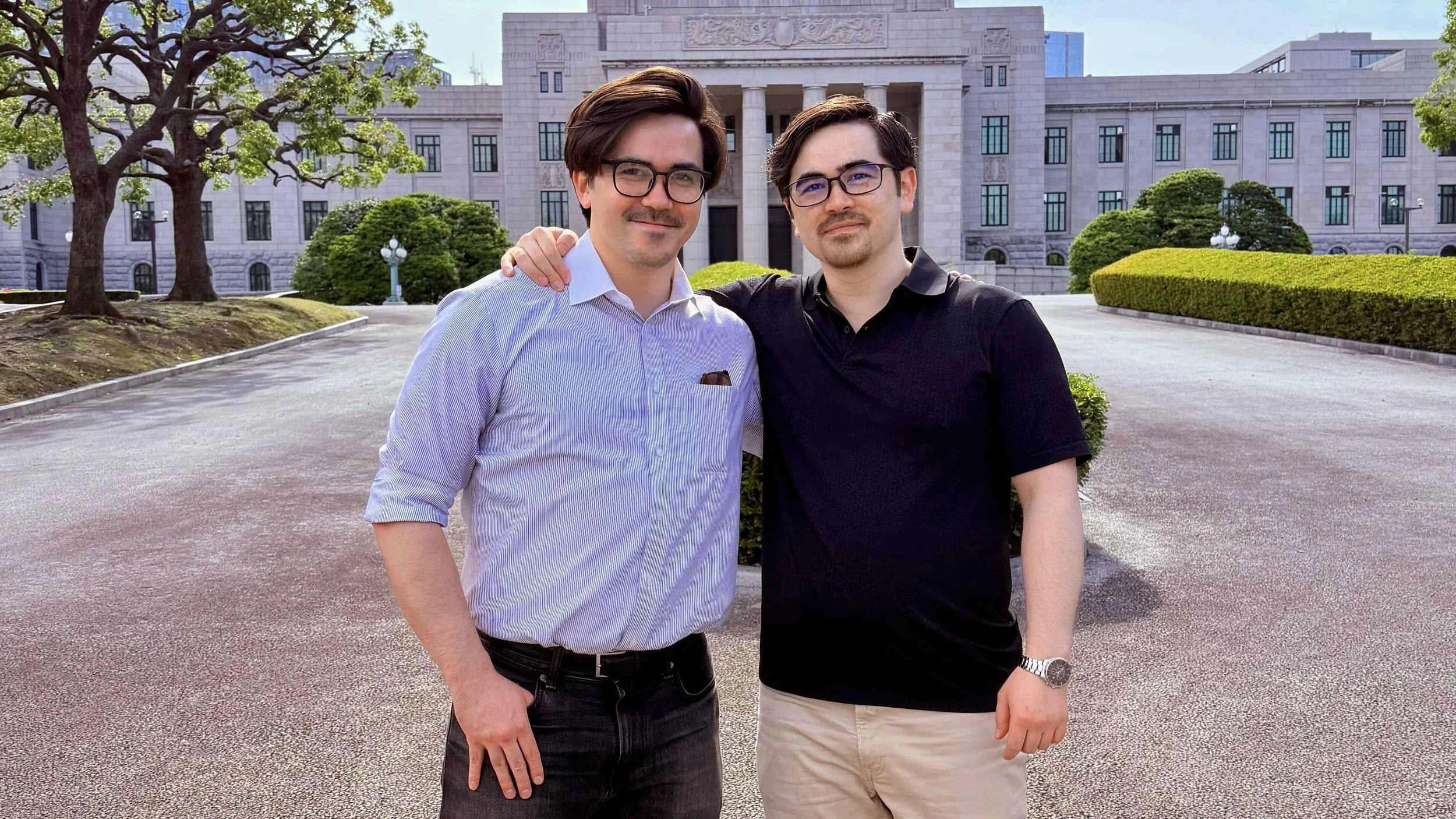
From left: Kelly and Mickey Langley
Public affairs in Japan is undergoing rapid transformation, moving from a behind-the-scenes function to a strategic driver of competitiveness. Geopolitical volatility, accelerating technology, and stricter demands for smarter, more responsive governance are reshaping how companies and government interact.
Gemini Group, founded by Kelly and Mickey Langley, represents a new approach that is values driven, culturally fluent, and digitally empowered. The ACCJ Journal sat down with the brothers to discuss their philosophy and the evolving landscape.
You describe yourselves as “values driven.” What does that look like in practice?
Kelly: A lot of companies chase volume and seek to represent everyone, even when conflicts of interest arise. That erodes trust, so we’re taking a different path. We choose to be missionaries, not mercenaries, working only with clients whose issues align with our values so we can advocate with integrity. Policymakers know our message is principled.
Mickey: We see public affairs as a force for good. Our goal is to make policy more effective and strengthen Japan’s global competitiveness by combining a structured methodology with real-time insights and global best practices to deliver timely and constructive input into political discourse.
How does Gemini Group bring a new approach to public affairs in Japan?
Kelly: The sector is surprisingly still emergent, at least in comparison to most developed Western markets, and expectations are shifting quickly. Technology, transparency, and geopolitical pressure are reshaping the environment. Public affairs is becoming a core strategic function, and our model reflects that reality. We combine cultural fluency with modern systems to respond adaptively with greater clarity,
accuracy, and speed.
Mickey: Growing up half-American and half-Japanese has made us natural bridges between East and West. In fact, we’re the only Japanese American-owned and managed public affairs company in Japan. We have a unique vantage point to convey the intricacies of Japan and its political system to international organizations. We also understand the speed at which international companies operate and can support them to align with the rhythm, nuance, and expectations of the Japanese government.
How does being digital natives help?
Mickey: Technology isn’t an add-on for us; it’s foundational. We use data, automation, and artificial intelligence to create real-time situational awareness, streamline research, and ensure our clients are never caught off guard. Public affairs today moves fast. Our proprietary tools help us move faster and focus on what matters most: building human relationships.
Kelly: Tech is built into our operating model. It enables us to be more rigorous in our analysis and more responsive to the rapidly changing political environment. Our guiding principle is to make the complex simple, so our clients gain clarity at a time when information moves in seconds, not weeks. This gives us a competitive advantage, both for our clients and within Japan’s broader policy ecosystem.
How do you see your broader mission?
Kelly: Japan faces defining challenges: population decline, energy transition, digital modernization, global competition. We want to support smarter policy and stronger collaboration among government, industry, academia, and civil society to help meet those challenges.
Mickey: We genuinely care about Japan’s future. We were raised between two cultures and two political systems. When we help global companies engage effectively with Japan, we’re advancing something bigger than any single project or campaign—we’re contributing to better policymaking and a stronger Japan.

Learn more: geminigr.com • contact@geminigr.com

Holistic Learning
For more than 36 years, The British School in Tokyo (BST) has welcomed families from around the world. In 2025, BST was named to the Spear’s Index Top 100 Private Schools in the World list—recognition of its continued commitment to educational excellence.
The British School in Tokyo meets the needs of today’s global community.
For more than 36 years, The British School in Tokyo (BST) has welcomed families from around the world, providing an inclusive and holistic education grounded in the values of excellence, integrity, and lifelong learning.
In 2025, BST was named to the Spear’s Index Top 100 Private Schools in the World list—recognition of its continued commitment to educational excellence. Today, as the school grows and innovates, it remains dedicated to nurturing each student’s unique potential, from their earliest years through to senior school.
A Welcoming Start
At BST, learning begins early, and joyfully. Children can join from age three, entering a warm, nurturing Early Years environment designed to support curiosity, creativity, and social-emotional development. These foundational years build the confidence, independence, and love of learning that carry students forward.
Central to Early Years is BST’s commitment to “learning through play.” Play is not simply recreational; it forms the basis of meaningful learning for young children. Through purposeful, child-led exploration, students develop communication, problem-solving, cooperation, and early literacy and numeracy skills in natural and engaging ways. With thoughtfully designed learning spaces and experienced educators, children explore, discover, and develop a joyful curiosity that stays with them as they progress through their lives.
A Truly Holistic Education
From Early Years through Senior School, BST offers a holistic education that balances academic achievement with character development, creativity, and well-being. A broad and balanced curriculum allows students to discover their talents through sports, music, performing arts, visual arts, outdoor education, and a wide range of extracurricular activities.
A defining feature of a BST education is the extensive program of residential trips across Japan, offered from Year 1 to Year 13. These experiences provide outdoor exploration, cultural immersion, and service learning. Whether skiing in the mountains, hiking in national parks, camping with classmates, visiting museums, or taking part in team-building challenges, students broaden their horizons and experience Japan’s diverse landscapes and rich heritage. These trips encourage independence, resilience, and a deeper understanding of the world.



A Personalized Pathway
To meet the needs of today’s global community, BST now offers the International Baccalaureate Diploma Programme (IBDP) as its core senior school pathway, alongside BTEC qualifications, while ASDAN is available across all year groups. These options ensure that each student can pursue a route aligned with their strengths, ambitions, and learning preferences.
The IBDP reflects BST’s commitment to delivering a future-focused, globally relevant education. With strong foundations in research, critical thinking, global perspectives, and
community engagement, the IBDP prepares students for entry into leading universities and equips them with the skills and mindset needed to contribute meaningfully beyond school.
Embedded in the Community
With BST’s Primary School campus is just two minutes from Tokyo American Club, families value the convenience of having two major community hubs located side by side, helping newcomers settle quickly and strengthening day-to-day connections. The sense of international community is further enhanced by BST’s active and welcoming parent-teacher association, which organizes a rich calendar of events throughout the year, from the vibrant Spring Fair to charity initiatives, book sales, parent gatherings, and student celebrations. These occasions bring families together, fostering friendships and creating an inclusive atmosphere where everyone feels part of something special.

Learn more and begin enrollment: bst.ac.jp/admissions • admissions@bst.ac.jp

Explore Incentives
Deloitte Tohmatsu’s Japan Incentive Insights web tool helps companies find opportunities to invest in Japan.
Deloitte Tohmatsu’s Japan Incentive Insights web tool helps companies find opportunities to invest in Japan.
In Japan, where the population is declining, increasing foreign direct investment (FDI) is critical for sustaining economic growth. Despite an uptick in FDI, Japan’s inward FDI ratio to gross domestic product remains significantly lower than the OECD average, highlighting the urgent need to enhance locational competitiveness.
There are two main reasons why investment in Japan has not grown as expected: high business costs and high tax rates. To address these points and attract investment, both the Japanese government and local municipalities have established various support measures, including grants and tax incentives.
However, information about these incentives is often scattered across multiple websites and the availability of English-language information is limited. As a result, foreign companies considering investment in Japan frequently encounter challenges in gathering the necessary information and applying for these incentives.
To help foreign companies navigate these incentives and address the challenges of fragmented information and limited English-language resources, the Deloitte Tohmatsu Global Investment and Innovation Incentives team, Gi3, has launched Japan Incentive Insights, a website designed to promote the utilization of major incentives in Japan.
The Gi3 team comprises experts from Deloitte Tohmatsu Tax Co. and Deloitte Tohmatsu Immigration and License Co. and specializes in both domestic and international incentives.
By effectively utilizing grants, companies can mitigate high business costs and, by leveraging tax incentives, offset high tax rates. Additionally, in collaboration with other domestic tax teams and DT Legal Japan—which is part of the Deloitte Tohmatsu Group—Gi3 provides comprehensive consulting services related to tax and legal matters for foreign companies entering the Japanese market.
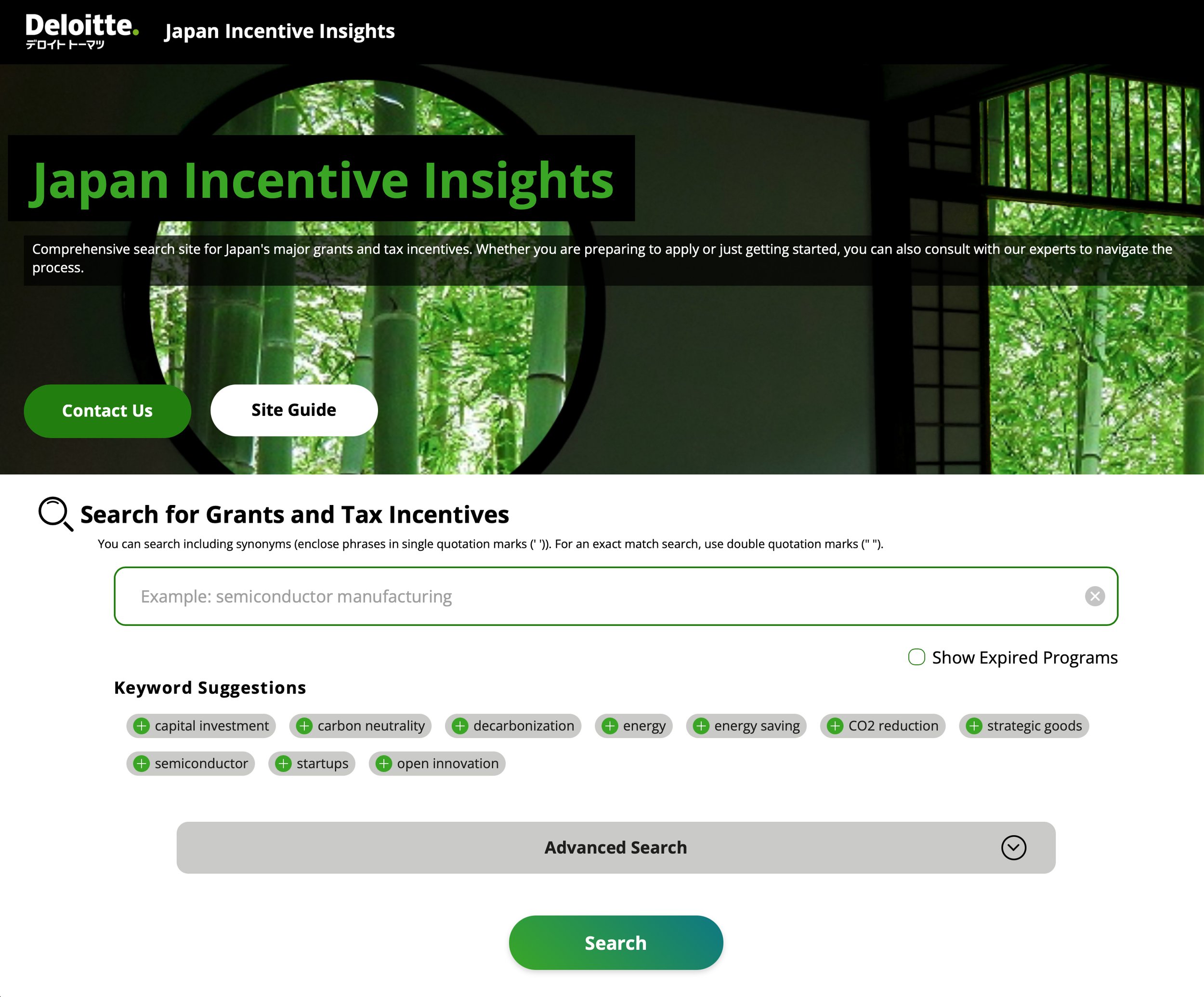
The Japan Incentive Insights website offers:
Incentive Search
Managed in accordance with the Certified Public Tax Accountant Act and the Certified Administrative Procedures Legal Specialist Act, Deloitte Tohmatsu Tax Co. handles tax incentives, while Deloitte Tohmatsu Immigration and License Co. oversees grants. The website aggregates information on more than 2,000 major incentives, searchable in English and Japanese, enabling foreign companies to easily gather the necessary information for investing in Japan.
Articles
Access a curated selection of feature articles highlighting noteworthy incentives and providing useful information for investing in Japan.
Consultation with Experts
Users can consult directly with Deloitte Tohmatsu through the website when proceeding with the application process for selected incentives.
Japan Incentive Insights supports both English and Japanese, making it an ideal tool for:
Headquarters of Foreign Companies
Search for incentives in English, switch to Japanese to obtain the exact Japanese names, and communicate efficiently with administrative offices or Japanese subsidiaries about the incentives.
Japanese Subsidiaries
Identify incentives in Japanese and provide the information to the overseas parent company without the need for translation.
Through Japan Incentive Insights, Deloitte Tohmatsu aims to strongly support foreign companies in leveraging Japanese incentives, thereby accelerating inbound investment and contributing to Japan’s economic growth.


Supportive Steps
Grant Thornton explains often-overlooked tax benefits that can help offset expenses for young families in Japan.
Often-overlooked tax benefits can help offset expenses for young families.
The number of children in Japan under the age of 15 as of April 1 was just 13.66 million, about 11 percent of the population. The reasons for this decline are best debated in another forum, but we thought we would take this opportunity to highlight tax credits that affect families with young children but may have flown under the radar.
Increased Basic Deduction
Starting in 2025, the basic allowance for national individual income tax will increase from ¥480,000 to ¥580,000 for taxpayers with a total annual income of up to ¥23.5 million. Above this level, the current reduced deductions apply. In addition, for 2025 and 2026 only, the deductions shown below (A) will increase in stages for those with a total annual income lower than ¥6.55 million.

Deduction for Spouse and Dependents
For spouses and dependents who live with a taxpayer, the maximum amount of income they can earn each year and still qualify for a deduction has increased from ¥480,000 to ¥580,000. A separate deduction is available for spouses with income above this level.
A deduction of ¥630,000 is available for each dependent aged 19 to 22. Previously, they could earn up to ¥1.03 million before the deductible amount began to drop. This limit has been increased to ¥1.5 million.
A cut in the national and local tax deductions was proposed for dependents between ages 16 and 18, but this has been deferred.
Home Loan Tax Credit
For young families—those in which the taxpayer or their spouse is under 40 or have children under 19—the borrowing limit for housing loans was increased in the 2024 tax reform. The limits shown below (B) have been extended to 2025.

Tax Credit for Specified Renovations
As families grow and needs change, it is common to make home improvements. There is a little-known tax credit for certain types of renovations related to child-rearing that was expanded in 2024. To qualify, the taxpayer or their spouse must be under 40 or have children under 19. Qualifying renovations include child-safety renovations, kitchen renovations, front door replacement, safety measures such as grilles and new windows, shelving and storage equipment, soundproofing, bathroom renovations, and the installation of partitions.
The credit is based on the standard cost of each repair as listed in the guide (scan QR code). It is equivalent to 10 percent of the cost up to ¥2.5 million and five percent beyond this amount. A minimum spend of ¥500,000 is required.
Overall, these efforts to ease the burden on young families may not have a huge impact, but they do represent steps in the right direction.

For more information, please contact Grant Thornton Japan at info@jp.gt.com or visit www.grantthornton.jp/en

Beat by Beat
Musical flourishes in Japan’s central city of Hamamatsu beckon travelers seeking artful experiences. Explore the heart of Japan’s musical instrument industry.
Musical flourishes in Japan’s central city of Hamamatsu beckon travelers seeking artful experiences.
Presented in partnership with the Hamamatsu & Lake Hamana Tourism Bureau

While Tokyo and Osaka top the itineraries of many visitors to Japan, there’s an oft-overlooked city halfway between that is a must-stop—especially for those with an interest in music.
Hamamatsu, in southwestern Shizuoka Prefecture, has played key parts in Japanese history more than once. In the 1570s, as the home base of Tokugawa Ieyasu—founder of Japan’s last shogunate—the small coastal town was an important stop on the road to the Edo Period (1603–1867), an era when the arts flourished.
Soon after the start of the Meiji Period in 1868, Hamamatsu became a center for textiles, silk production, and traditional crafts such as lacquerware. Emerging mechanical industries also found a home near the shores of Lake Hamana. Among those was the manufacture of musical instruments. Today, the city is home to some of the music world’s best-known brands, including Yamaha and Kawai.
In fact, music plays such an important role in modern Hamamatsu that the city was recognized in 2014 as a UNESCO Creative City of Music by the United Nations Educational, Scientific, and Cultural Organization. Performers from around the world descend on the city each year for the Hamamatsu International Piano Competition and the Shizuoka International Opera Competition. Both are hosted at Act City, a complex that houses two renowned concert halls. The central tower was the first thing that caught our eye as we emerged from Hamamatsu Station to begin a two-day tour of the area’s offerings.
Opening Note
We began our visit by indulging in one of Hamamatsu’s most popular culinary offerings: gyoza. The city goes dumpling for dumpling with Tochigi Prefecture’s Utsunomiya as Japan’s capital for the savory treat. Having recently visited both cities and sampled their offerings, I can confirm that this is a must-try for foodies.
Hamamatsu is also famous for eel. Lake Hamana, with its mix of freshwater and seawater, is known as the birthplace of eel farming in Japan.
After lunch, we stopped by Hamamatsu Castle—a recreation of Tokugawa Ieyasu’s historical stronghold—and recharged with a jolt of espresso from one of Japan’s 29 Starbucks concept stores, located on the castle grounds, before hitting the downbeat of our core itinerary.


The Sound of Innovation
Anyone who has played music, whether in their junior high school’s gymnasium or on the stage of Lincoln Center, knows the name Yamaha. But they may not know the intriguing story of the ubiquitous instrument maker’s origins.
It all started in Hamamatsu, in 1887, when Torakusu Yamaha was asked by Jinjo Elementary School in Hamamatsu to repair its imported reed organ. The Wakayama native, known in town for his work on medical equipment, was the only person they thought might be able to do it. While Yamaha didn’t know anything about the West’s music, a fascination with its science and technology had led him to learn about watchmaking and the inner workings of other mechanical devices.
Using his technical knowledge, he fixed the organ, and the experience ignited an interest in musical instruments. He decided to build his own organ. According to legend, he slung his creation over his shoulder and carried it across the mountains of Hakone, along the Old Tokaido Road, to the Music Institute in Tokyo, where it was resoundingly rejected as being poorly tuned.
Undeterred, Yamaha studied music theory and tuning before trying again. Today, the company he founded is one of the world’s leading piano manufacturers, and his experience overcoming that early criticism inspired the familiar tuning fork logo.
We got a firsthand look at the evolution of Yamaha’s craft when we visited Innovation Road, an expansive collection of musical instruments and audio equipment at Yamaha Corporation Headquarters. The location, about an eight-minute taxi ride from Hamamatsu Station, was previously a piano factory before the company constructed the current building to showcase its 138 years of dedication to music.
More than 30 pianos—including digital models—are on display at Innovation Road, including the CFX, Yamaha’s flagship full concert grand piano, and the rare Bösendorfer Woman in Gold Model 200, of which only 25 were ever produced.
The first piano we encountered, however, was not one of these classical masterpieces but rather an unusual prototype called Key Between People. Designed to express how we connect with one another through music, the instrument feels like a combination piano and bar. The compact shape allows a small group to gather around the instrument in an intimate setting.

Key Between People
Museum Director Seiichi Hashimoto, who guided us around the spacious exhibition, asked me to play a bit. As I pressed the keys, constellations burst across the tabletop, projected from above, in a celestial show meant to enhance the shared experience. It was an intriguing merging of melody and tech.
Hashimoto then walked us through the steps involved in crafting a piano—from shaping the soundboard and crafting the felt-covered hammers to polishing the lacquer—and shared stories about the evolution of the company’s instruments and gear.
We also saw a display of brass and woodwind instruments that brought back vibrant memories for me. Yamaha is one of the world’s rare manufacturers that produces a full range of orchestral instruments, from violins and cellos to oboes and flutes to trumpets and horns. Most companies specialize in specific families, such as Buffet Crampon’s dedication to woodwinds or Edwards’s exclusive focus on trumpets and trombones, the instrument I took up at age 10 and played for years in our city’s symphony orchestra. If you’re interested in how metal and wooden instruments are made, there are hands-on stations like that dedicated to pianos that demonstrate the process.
As we reached the far end of the main floor, Hashimoto explained the importance of audio reproduction to Yamaha’s mission. We stepped into a small theater packed with a 108.6-channel speaker system designed to demonstrate the company’s 3D audio technology. In the dark, immersive space, we watched a performance of the Yamaha Symphonic Band—a wind orchestra made up of talented company employees—on the massive 220-degree screen. The music washed over us with the same fidelity as if we were standing in the concert hall.


Next, we took a stroll down memory lane as we examined Yamaha’s creations decade by decade, starting with one of the first reed organs, built in the late 1880s, and ending with the Venova “casual wind instrument,” a saxophone-like sound innovation released in 2017 to make music more accessible to everyone. Along the way, we came across a DX7, the classic 1980s synthesizer that gave my friends and me countless hours of fun growing up as we played Van Halen’s “Jump” by ear along with the radio.
Around the corner were five “people” who yanked me from those high school years of monochrome LCDs and 16-note polyphony to the present day of supercomputers and artificial intelligence (AI).
Yamaha’s Vocaloid:AI allows Innovation Road visitors to play music together with an AI singer or saxophonist. You can instruct the AI artist using a “musical expression sensor” and it will seamlessly adapt the phrasing, use of vibrato, and more. Yamaha calls this “a bold step forward to a future where humans and AI create music together.”
The five people I mentioned are actually incarnations of a new type of speaker that Yamaha has developed. Extremely thin, the speakers excel at delivering isolated sound. In this exhibit, titled Flatone, five speakers displaying virtual vocalists combine to create an immersive audio experience. Each plays a role in an a cappella performance that blends perfectly when heard from a distance. If you walk up to each, however, you’ll hear only a single part. It’s a fascinating experience. Hashimoto led me back out to the main floor to show how the speaker technology is employed above individual exhibits to provide audio guidance.


We closed out this fascinating tour of music history at the Virtual Stage, a demonstration of Yamaha’s live performance reproduction system, called Real Sound Viewing. Against a video backdrop showing artists, real instruments are controlled by actuators that reproduce digitized sounds, sending vibrations that control drums, a double bass, and Disklavier, a self-playing piano.
Whether you perform music or just enjoy listening to it, Innovation Road is an unforgettable and enlightening experience not to be missed.
Crafted in Harmony
Hamamatsu is also home to Kawai Musical Instruments Manufacturing Co., Ltd. Founded in 1927 by Koichi Kawai, the company focuses on pianos and has earned a reputation for quality around the world.
The son of a wagon maker, Kawai was drawn into the world of music at a young age by a man who was impressed by the pedal-driven cart the boy had built himself. That man was Torakusu Yamaha. He took Kawai under his wing and mentored him, and Kawai went on to become an engineer and a key part of Yamaha’s early success. Following Yamaha’s death in 1916, Kawai continued to refine his craft and founded his own company in 1927. Over the next few decades, his fledgling venture grew to be a key player in the industry, with annual production increasing to around 1,500 pianos per year by the early 1950s. And in 1953, Kawai became the first person in the musical instrument industry to receive the prestigious Medal with Blue Ribbon from the emperor.
To learn more about this history and get a firsthand look at how the pianos are made, we visited Kawai’s Ryuyo factory, about 15 minutes east of Hamamatsu by car. At the time of its completion in 1980, it was the largest factory in the world producing exclusively grand pianos. While it is no longer the largest in terms of size, the factory now combines the master craftsmanship of skilled artisans with the latest advancements in scientific technology to manufacture both grand and upright pianos.


The massive complex—with a total area of 168,218 square meters (1,810,700 square feet)—is known as “the workshop in the woods” thanks to the 30,000 new trees that were planted around it.
Our tour began in the Kawai Little Museum, a small space packed with big history. An array of instruments lines the walls, from a 14th-century clavichord to the futuristic Crystal Grand, a transparent piano that refracts and reflects light to surround the player in a rainbow of colors. As we moved through the centuries, we learned about the design progression of keyboard instruments and how engineers transformed the soft, thin plucks of a Medieval clavichord into the robust sound of a modern grand piano.
Building a grand piano requires a team of people and takes more than a month (and that’s not counting the time it takes the sheep to grow the wool used in the hammers). We saw each of the 11 steps in action as we walked the factory floor. Wood processing, painting and polishing, iron plate installation, stringing, tuning, and inspection are all performed by hand in this facility. In a world where so much work is done by machines, the absence of robotics was striking. Kawai grand pianos are truly handmade, and it was fascinating to watch the team craft pianos one at a time—carrying on the spirit upon which Kawai was founded.




One of the most interesting parts of the tour was the chance to touch the materials that become such a majestic instrument. It’s one thing to admire the beauty of a grand piano on a stage, but another to feel a tangible connection to its roots.
The importance of wood quality to a piano cannot be overstated. Kawai uses specially selected varieties of spruce for the soundboard, the wooden panel below the strings that amplifies the sound and determines the piano’s tone quality. After being harvested, the spruce is cut and then dried and seasoned naturally for many years. It’s a process of patience—like sitting through a Mahler symphony—but the results are worth the wait. We tested the resonance of a Kawai soundboard using a small, quiet music box. Touching it against the refined spruce filled the room with beautiful sound.
A visit to the Ryuyo factory is an enlightening experience, whether you’re a pianist or not. Although I’ve had a grand piano sitting in my living room for more than 20 years, I had never considered how complex its creation was until I stepped into this impressive workshop. When you visit Hamamatsu, don’t miss this chance to explore the process yourself.
Rhythmic Retreat
Between these visits to Hamamatsu’s musical giants, we stayed overnight at Katsuragi Hotel Kitanomaru, a resort in nearby Fukuroi City owned and operated by the Yamaha Group.
Described as “an extraordinary modern-day Japanese castle” in the English brochure, the expansive hotel’s base began its life long ago as seven folk houses in Ishikawa and Toyama Prefectures. When they faced demolition more than 40 years ago, Yamaha bought the structures, moved them here, and renovated them using wood from the company’s exclusive timber collection to create Kitanomaru.
Like most traditional Japanese buildings, the original structures were constructed without metal fasteners. While metal was used to join them on this site, many of the original wooden supports remain, and some beams running along the lobby ceiling are around 200 years old. From beneath these ancient logs, we looked out through the floor-to-ceiling window onto the gardens and golf course that are the heart of the resort.
Depending on the time of year, you can enjoy more than a dozen flower varieties, including cherry blossoms, plum blossoms, hydrangeas, Japanese maples, and wisteria, as well as a garden woven with 10,000 azaleas in shades of deep purple, pale lavender, and white.


You can also grab your clubs and take on two 18-hole courses designed by renowned golf architect Seiichi Inoue: Ukari and Yamana. The latter hosts the annual Yamaha Ladies Open Katsuragi tournament, part of the Ladies PGA of Japan Tour.
But we were here not to hit balls but to hit high notes, and we concluded our tour in the Audio Appreciation Lounge, a secluded space at the far end of the complex equipped with Yamaha’s latest high-end audio technology. We sank into the sofa, turned up the volume, and reveled in the lifelike sound enhanced by the room’s wooden structure.
Back in the lounge, we settled in with a glass of wine for one of the evening’s highlights: a mini concert by Haruna Ito. A graduate of the Aichi University of the Arts, the Hamamatsu native performed a range of pieces—from classical works to Studio Ghibli favorites—on a one-of-a-kind Yamaha grand piano. This piano is a commemorative model, the C6XA-GE, from Yamaha’s Ginza store, which opened in February 2010. The concept—Fusion of Beauty—was inspired by Ginza’s identity as a district where history and culture blend. The piano features inlays and decorations of golden clematis flower patterns, symbolizing the coexistence of Japanese and Western cultures as well as the harmony between trends and brands found in Ginza. It embodies the image of a place that combines a commitment to history with the ability to embrace new things.
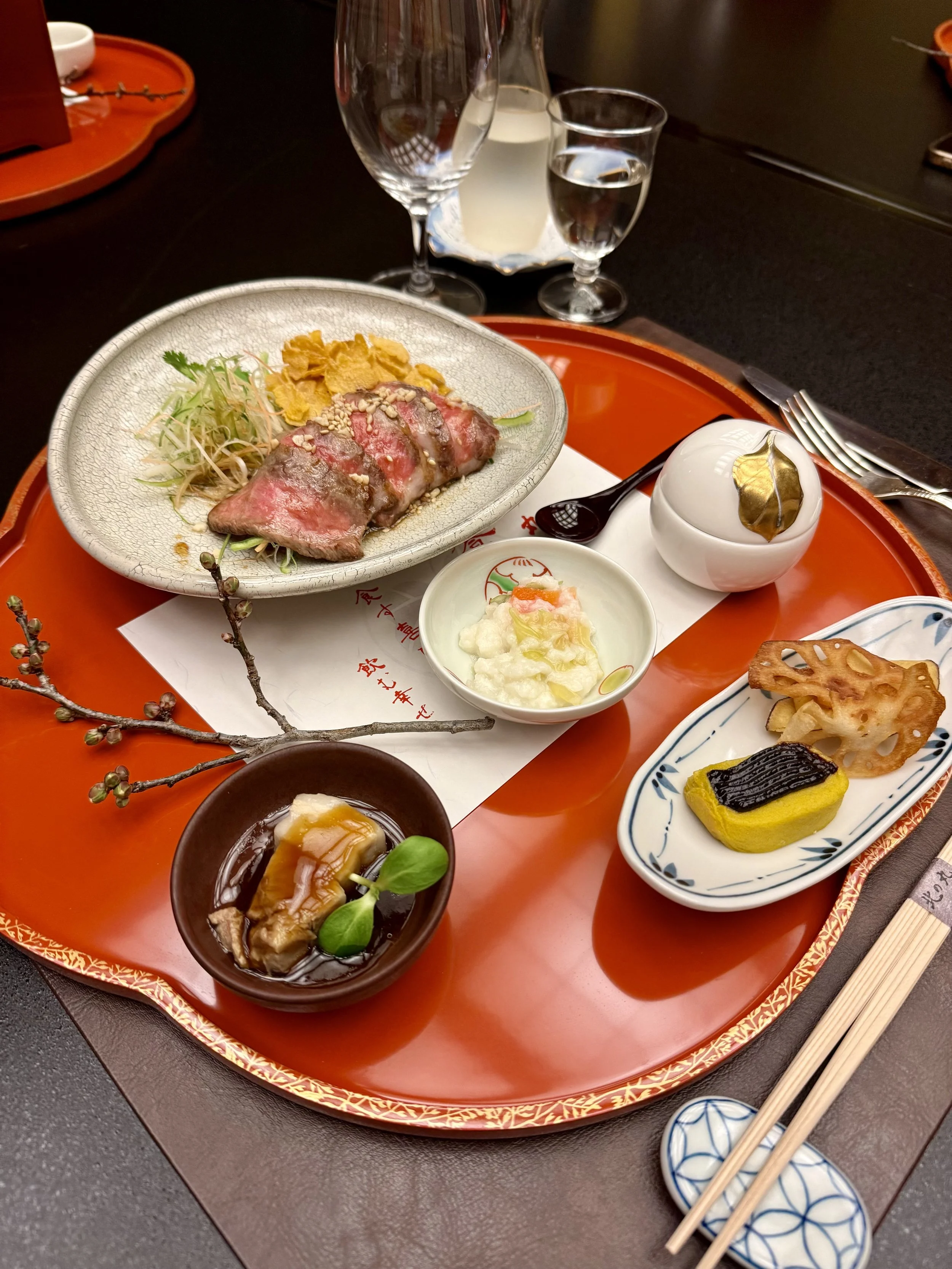
After the performance, we joined Ito for dinner. The exquisite six-course meal with a seafood focus included Fuji trout marinated in koji; tuna, flounder, and cutlass fish sashimi; and deep-fried Pacific cod and cloud roe. For those like me who lack an affinity for seafood, Kitanomaru’s chefs offer a meatier menu. I absolutely loved the Tokara-style beef tataki, chicken simmered with Japanese pepper, and pan-roasted Mikkabi beef.


But especially interesting was our conversation with Ito. As a musician, I found it fascinating to hear about her journey in the arts and to discover that we both have connections to Russian mentors. Even for those without a background in music, the chance to learn firsthand what inspires performers makes for an intriguing experience far off the beaten path.
Before turning in for the night, I visited the bathhouse and open-air onsen. Soaking in hot spring water was incredibly relaxing despite the cold air, and with the late-night silence gently broken by the breeze and rustling trees, I was reminded that nature has its own music. It was a restorative way to end a very busy and fulfilling day.
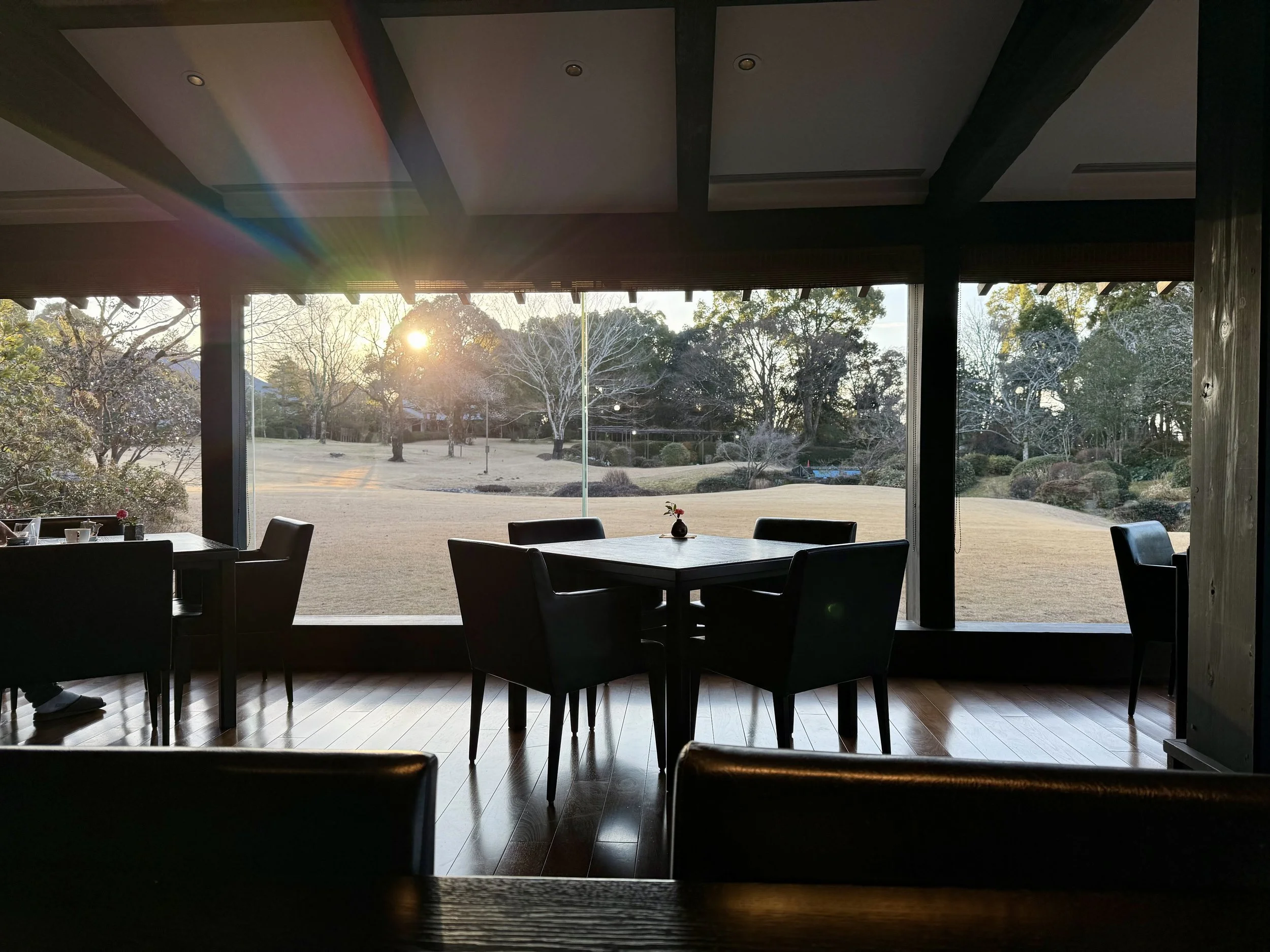
Early the next morning, we tuned up with a delicious breakfast in the main dining hall, Tsubaki no Ma. As the rising sun streamed through the massive windows, we enjoyed omelets, sausage, fresh vegetables and fruit, yogurt, soy milk corn potage, and fresh juice.
It was hard to say goodbye to such a comfortable retreat, the perfect accompaniment to our musical adventure.
Final Note
Having spent two days immersed in the harmonies of Hamamatsu, we took in one more high note before catching the bullet train back to Tokyo.
Shizuoka accounts for about 40 percent of Japan’s tea cultivation, a fact highlighted by Chappaya, a tea house specializing in locally grown tea that is processed on-site. We made a stop at the quaint shop and, in addition to tasting several varieties of green tea, enjoyed a delicious bowl of roast beef over green tea-infused rice. It was the perfect bookend to the trip.
Back at Hamamatsu Station, I picked up sought-after souvenirs for my family—chilled gyoza and unagi pie, a sweet and crispy confection born in Hamamatsu. Produced by the 138-year-old Shunkado Co., Ltd., the treat is a favorite throughout the country.
Just before heading to the platform, I took in a musical performance outside the station—a final reminder of the heart and soul of this incredibly artistic city, which belongs on every visitor’s list of stops when exploring Japan.


Interested in visiting Hamamatsu or taking this tour yourself?

Clinic Concierge
Finding a doctor and overcoming the language barrier can be a challenge. ROAM Medical helps you get the care you need wherever you need it.
ROAM Medical helps you get the care you need, wherever you need it
While studying at Keio University in 2019, Chris Motz experienced one of the unpleasant aspects of living abroad: navigating a new medical system.
“I had to find a dentist,” he recalls. The permanent retainer on his bottom teeth broke, leaving a wire protruding inside his mouth. He turned to the school administration for help.
“They recommended a dentist down the street,” Motz said. “Like many doctors in Tokyo, he spoke English but didn’t really speak English. The solution he provided was very much a Band-Aid. He put some glue on the retainer and put it back in place, which didn’t actually repair the wire. And he didn’t refer me to an orthodontist.”
The retainer broke again.
Motz’s parents happened to be visiting and asked their hotel concierge to book a doctor. “They set me up with a really nice clinic. The dentist trained in the United States and spoke fluent English. But that whole experience took a week or two for what I thought should have been an easy fix.”
The ordeal gave Motz, a graduate of the Wharton School of the University of Pennsylvania and Imperial College London, a business idea. He would create a platform that connects expats and travelers to English-speaking healthcare services abroad.
ROAM Medical launched in Tokyo in January 2022 with 54 clinical partners. Since then, it has completed 62 bookings through its concierge service, which schedules appointments with the most appropriate provider based on the patient’s needs.
“The case I’m most proud of is that we helped a baby enter the world,” Motz shared. “We were contacted by an American woman who found out she was pregnant soon after moving to Tokyo and needed to find an ob-gyn. We were able to book her first appointment, and she booked a few more through us after that.”
“Our goal is to create a product that helps you get the care you need wherever you need it by building a strong network of providers around the world to deliver a more interoperable experience.”
To build its network in Tokyo, ROAM initially researched the Japan National Tourism Organization’s list of foreigner-friendly healthcare providers. “We filtered through those by visiting their websites to get a sense of truly how well they can speak with foreigners,” Motz explained. “Then we reached out to verify their information, tell them about ROAM, and begin a dialogue to start working together.”
To find a clinic, a patient visits the ROAM website and completes the concierge form, explaining their needs, preferred time, and insurance situation. The fee per booking is $5 (yen charges vary with exchange rate). Treatment costs depend on the doctor. When ROAM receives a request, they contact an appropriate clinic, book the appointment, and send a confirmation within 24 hours.
“If you talk to enough expats, you’ll hear a range of stories about being sick abroad,” said Motz. “And because you’re there for an extended period, you must regularly interact with the healthcare system. It’s unavoidable, and it can be frustrating.”
Poor interoperability is another issue Motz hopes to solve through ROAM. “A lot of medical records are difficult or impossible to transfer from country to country,” he explained. “It shouldn’t be this way. Our goal is to create a product that helps you get the care you need wherever you need it by building a strong network of providers around the world to deliver a more interoperable experience.”
Tokyo was the starting point, but Motz and his team have begun building a roster of English-speaking healthcare providers in Seoul and other major cities in east Asia. Over the next five years, they plan to expand the network to cities around the world.
For individuals needing treatment, ROAM provides a helping hand during life’s trying moments. For healthcare providers seeking to assist English-speaking expats and travelers, it offers a direct link to those in need. And for companies with a diverse staff, the service is an excellent way to deliver peace of mind to the talent that powers their success.

Learn more about ROAM and find English-speaking healthcare services in Tokyo: https://tokyo.roammedical.com

Academic Evolution
The British School in Tokyo is moving from A Levels to the International Baccalaureate.
The British School in Tokyo is moving from A Levels to the International Baccalaureate
The British School in Tokyo (BST), the largest British international school in Japan, is planning to transition from the A Level curriculum to the International Baccalaureate Diploma Programme (IBDP) for students in Years 12 and 13 (ages 17 and 18). This shift is part of the school’s commitment to providing an educational experience that aligns with the evolving aspirations and needs of its diverse and dynamic student community.
BST is currently a candidate school* for the IBDP and aims to become an authorized IB World School, with the last A-Level cohort running from 2024 to 2026. The (International) General Certificate of Secondary Education—or (I)GCSE—will remain for Year 11, and there will be no changes for other year groups.
Evolving Education
Founded in 1989, BST is widely recognized for its strong reputation and commitment to excellence. The school currently serves a diverse international community of students representing 65 nationalities. While A Levels remain a respected qualification, the school has recognized the need to evolve in response to its changing demographic. The IBDP, a globally recognized qualification offered by thousands of schools worldwide, provides a broader, more international approach to education.
The IBDP offers a comprehensive education, requiring students to study six subjects across disciplines. It encourages critical thinking through Theory of Knowledge and promotes holistic development through Creativity, Activity, and Service, fostering independence and confidence.
Widely recognized by universities, the IBDP is one of the most rigorous pre-university qualifications. Research shows that IBDP graduates are more likely to be accepted at top higher-education institutions, with components such as the Extended Essay preparing students for university challenges.
Student Success
Over the past five years, BST students have matriculated to institutions such as Oxford, Cambridge, LSE, Columbia, Pennsylvania, Chicago, NYU, Toronto, UBC, Amsterdam, Leiden, and Todai. BST believes that it is important to match students to the best university for them, and the IBDP will help BST students continue to secure places in a wide variety of universities around the world.
As BST embarks on this exciting journey to become an IB World School, it remains committed to providing students with the best possible education, equipping them with the knowledge, skills, and values necessary for success in an increasingly globalized world.
For details and to enroll, visit www.bst.ac.jp.

AI Audits
AI's ability to analyze considerable amounts of information quickly offers great potential for auditors. How is this rapidly evolving tool impacting the audit process?
What impact does artificial intelligence have on auditing?
In the Fourth Industrial Revolution, with increasingly developed technology, the application of artificial intelligence (AI) has become popular both in everyday life and work. Thanks to AI’s outstanding features, multiple tasks can be performed in less time and with less effort. For this reason, AI is playing an important role in some areas which require the processing of large amounts of information, such as auditing. So how does AI affect the work of an auditor?
AI is defined in the Oxford English Dictionary as “the capacity of computers or other machines to exhibit or simulate intelligent behavior; the field of study concerned with this.” In later use, it is also defined as “software used to perform tasks or produce output previously thought to require human intelligence, especially by using machine learning to extrapolate from large collections of data.” In other words, AI is used to perform tasks that require human intelligence through programmed algorithms.
AI processes supplied information and produces results after conducting an analysis. Thus, AI can convert huge amounts of data in a short time and increase work efficiency.
With those exceptional aspects, AI can be applied at many stages of the audit process. How is it used and how does it affect the efficiency of the audit?
This can be broken down into three stages:
Audit Planning
Based on the customer data input, AI will propose appropriate audit procedures to optimize the audit plan.
Risk Assessment
Using the provided information, AI will analyze past trend fluctuations and financial indicators. Since AI can process and synthesize considerable amounts of information, the analysis will be more specific and more effective, giving auditors a deeper view of the business’s situation. Accordingly, auditors will identify potential risks more accurately and provide more appropriate material. As a result, AI also can assist auditors to predict the potential financial situation and determine the reasonability of financial forecasts as well as potential future risks of the business.
Substantive Procedures
At this stage, auditors must perform many repetitive tasks, such as checking details of documents (e.g., invoices and contracts), matching data among documents, and verifying the accuracy of the financial statements. AI can perform these tasks automatically through programmed algorithms, allowing auditors to review more data promptly with a higher level of accuracy in less time than a traditional audit.
By using AI to analyze and process the large volume of transactions, auditors can easily detect anomalies, errors, and risks in financial data. It allows auditors to focus more on high-risk areas that are prioritized, thereby improving the audit quality. Additionally, AI has a function known as machine learning which allows the system to learn from past data and improve its performance, thus enhancing accuracy and effectiveness.
It can be seen that applying AI in auditing brings many benefits. On the one hand, labor savings and productivity increases are the prominent characteristics of AI system. And with the ability to review and analyze information on a wide scale, AI can help identify fraud or potential risks that may be overlooked, thereby improving risk assessment and strengthening audit quality.
“With the ability to review and analyze information on a wide scale, AI can help identify fraud or potential risks that may be overlooked, thereby improving risk assessment and strengthening audit quality.”
However, using AI still has certain limitations:
AI works based on the provided data, so ensuring that the data is accurate, complete, and taken from reliable sources is crucial. Additionally, with a colossal volume of data, errors are likely to occur during analysis and processing. This can result in inaccurate conclusions and affect audit results.
Another limitation relates to cybersecurity, as using AI requires an internet connection. Therefore, if the internet system is compromised, AI algorithms could be altered and routed to discrepancies in AI operations.
AI is, after all, a machine set up by humans which performs tasks based on pre-established patterns. Hence, AI cannot respond to or handle unforeseen situations. Moreover, maintaining an attitude of professional skepticism is extremely important during the audit process to minimize potential risks. Nevertheless, the nature of AI is mechanical, so it is impossible to possess this skepticism when analyzing information and handling situations as auditors do.
Another limitation is that AI might not be able to satisfyingly detect fraud or window dressing in accounting that may occur in a business, because AI lacks the ability to think and evaluate like humans. Fraud detection requires auditors to possess a professional skepticism to assess the evidence collected during the audit and to evaluate it based on the business operations and internal control activities.
With workloads increasing, the benefits that AI provides are indispensable and will have a positive impact on the audit process. However, auditors should use AI appropriately and not abuse it or rely entirely on it, because AI is precisely a tool and cannot solve complex issues that require human decision-making on a system basis. Consequently, the balance between using AI and manual work in auditing is prerequisite. Furthermore, auditors should be equipped with the necessary knowledge and skills to fully understand AI’s operations, employ its produced results, and avoid cybersecurity attacks.
For more information, please contact Grant Thornton Japan at info@jp.gt.com or visit www.grantthornton.jp/en
Disclaimer: Opinions or advice expressed in the The ACCJ Journal are not necessarily those of the ACCJ.

Supply Change
One thing the pandemic laid bare was the fragility of supply chains. Companies are taking the lessons learned, but for Japanese companies, shifting gears can be difficult. How can they connect with the right leaders?
Recruiter Robert Half on the evolving landscape of supply chain management.
From left: Kazuko Oya and Taku Yamashita (Photo: Yuuki Ide)
One thing the pandemic laid bare was the fragility of supply chains. When borders closed and restrictions to contain the spread of the coronavirus put a crimp on the movement of people and parts, manufacturers had to quickly adjust their logistics. As a changed world moves forward, companies are taking the lessons learned and looking to improve their supply chain management.
For Japanese companies, shifting gears can be difficult. Entrenched and outdated enterprise resource planning (ERP) systems, and even manual processes centered on Microsoft Excel, scream for digital transformation. But to make the change requires knowledge, experience, and leadership.
Specialized recruitment agency Robert Half is helping connect companies with consultants who can lead the way. Its team of supply chain management recruitment consultants has unique insight into the Japanese market, with extensive knowledge and established networks nurtured over 18 years. Taku Yamashita and Kazuko Oya shared with The ACCJ Journal the situation and trends in the Japanese market and how they are able to adapt to client needs to deliver exceptional value and results.
“Our unique differentiation is that we have ironclad relationships with supply chain management gaishikei [foreign-capital companies] seeking bilingual candidates,” explained Yamashita, director of supply chain management and human resources. “We completely understand skill sets, experience, and value for our clients.”
Oya, the senior division director for supply chain and procurement, noted that their extensive experience allows them “to consult with clients and collaborate to find candidates who offer the highest value and return on investment.”
Elusive Talent
Finding candidates is one of the biggest challenges that Japan faces as its domestic industries attempt to transform how they plan and manage supply chains that Oya and Yamashita said are “late to the party” and behind global standards. One big reason is education. Japanese university degrees are concentrated in areas such as finance, economics, sales, and marketing. An MBA is mandatory for supply chain management, but there are no MBA programs in Japan that focus on it. Consequently, there are few knowledgeable, educated candidates to lead the supply chain transformation.
“For a company starting or going through the transformation, it’s not just about the experience or skill set, but more about the leadership and mind-set.”
One situation that can create challenges for companies that are trying to take a step forward can come during a merger or acquisition. Domestic branches of a company may use outdated ERP systems, while the international branches run on more modern platforms and adhere to best practices. Getting the two systems to talk to one another is not possible. Changing the ERP system is the largest hurdle to overcome, and a consultant is usually brought in to get a new system in place, a process that can take a year or two.
What kind of candidate is needed to carry out such a transition?
“For a company starting or going through the transformation, it’s not just about the experience or skill set, but more about the leadership and mind-set,” said Oya. “There will be a lot of changes—not just to the system, but to the people, culture, and operational processes. So, somebody who is resilient is needed, somebody who is not afraid of making changes and can have an immediate impact from a planning perspective.”
Because of their knowledge of the industry, spanning almost two decades, Oya and Yamashita are able to consult with Robert Half’s clients, both domestic and international, on the challenges, needs, and hurdles they must overcome. They can go beyond recruitment and offer advice on who is the right candidate to fill this role, whether that be a domestic person or somebody from abroad with good Japanese language skills. They may even find the elusive, but highly sought-after, unicorn: someone half in Japan and half out.
“There are young Japanese workers who start in a Japanese company and then want to move to an international company,” explained Yamashita. “These workers may then come back to Japanese companies in their mid-forties or fifties.”
One path to this which Robert Half has noticed is for university graduates to join a consulting company, learn the supply chain methods for five years, and then return.
“They want to contribute to the development of their own country, so they come back to traditional Japanese companies,” Yamashita added.
Why It Matters
One reason that Oya and Yamashita feel that supply chain logistics in Japan lags far behind that found in the United States or other countries is that it isn’t viewed as equally important within traditional companies.
“There are various functions in a company—sales, marketing, finance, human resources—and supply chain is one of these. But in general, in Japan, I feel that it doesn’t get the same respect or visibility as the others, because supply chain is often seen as blue collar,” explained Oya.
But supply chain management is critical to the success of any business, whether a company is manufacturing a car or delivering fast-moving consumer goods to a customer’s doorstep.
““We’ve started seeing more Japanese companies trying to hire people coming from a global background and mind-set.””
One of the most important areas of supply chain management is sales and operations (S&OP), which is in charge of production and demand planning one month, one year, or two years out. Making S&OP more adept and resilient is growing in importance not only in Japan but the whole Asia–Pacific region as many international companies focus on APAC business.
A client that has been growing its overseas business and has its headquarters in Japan realized that, to win the global market, it needed to change its approach to supply chain management and bring S&OP up to speed. A specialty of Robert Half is helping Japanese companies bring international culture and methods from the United States and other countries into Japan, so the partnership is a perfect fit.
“We’ve started seeing more Japanese companies trying to hire people coming from a global background and mind-set,” noted Oya. “Mid-career hiring is something that traditionally hasn’t happened in Japan, but is becoming increasingly common. We’re seeing more people with 30 years of experience at American or multinational companies moving to big Japanese manufacturers with a very long history of hiring new grads and training them in their way, not hiring from outside.”
One of those seasoned veterans could be the missing talent to lead a transformation of your supply chain, and the Robert Half team are ready to partner with you to build resilience for today and the future.

Register now to learn, connect, and get inspired by Robert Half Japan networking events: roberthalf.jp

Workforce Matters
Japan has long been seen as an attractive destination for companies expanding operations globally. This trend is more obvious today. But what causes foreign capitalists to succeed or fail in Japan?
What causes foreign capitalists to succeed or fail in Japan?
Japan has long been seen as an attractive destination for companies expanding operations globally. This trend is more obvious today. Japan boasts a robust infrastructure—from transportation to energy to telecommunications—and is considered an ideal hedge against the political instability, or “country risk,” that is prevalent in other Asian countries. Expected cost reductions fueled by the weakened yen have led many companies to believe that now is the time to enter the Japanese market.
Common Traits of Failure
Despite the promising situation, some businesses have not achieved the expected results. A survey conducted by the Ministry of Economy, Trade and Industry revealed that struggles with talent acquisition and Japan’s unique nature, such as the preference for homogeneity, caused them to fail. These reasons may seem plausible, but what really happened?
Unsuccessful businesses did not do well because they brought their own cultures and practices to Japan without attempting to adapt. Japanese people have a hard time accepting foreign capitalists who expect them to adapt to their methods, and this often leads to a sense of discomfort among local talent. Integrating into Japanese culture is essential.
Key to Success
Since 2019, there have been numerous changes to Japanese labor law, with more revisions planned for the coming years. Workforce management has become more complex, with legislation impacting work time management, payroll processing, and social security-related filings.
For example, Article 36 of the Revised Labour Standards Act (Overtime Work and Working on Holidays) requires companies to submit a dedicated form to the Labour Standards Bureau for each employee who is expected to work on a holiday or longer than the prescribed hours.
The maximum working hours per day, month, and year must be agreed upon by the employee and employer. The so-called “36 agreement,” which specifies the agreed conditions, is one of the most important documents in workforce management. Yet, it is often treated as a piece of routine paperwork, filed without a thorough review. In fact, we have seen many cases where this paperwork has not even been submitted.
Regulatory authorities place considerable emphasis on proper filing. Failure to comply may result in disclosure of the company’s name. Penalties may also be levied, including up to six months in prison or a maximum fine of ¥300,000.
To succeed, foreign-invested companies must understand how the Japanese labor system functions and how to ensure workforce management compliance. Successful companies comply with the applicable laws and regulations in Japan and have implemented an effective talent strategy that is flexible and rooted in the region.
Given the complexity, it is best to outsource workforce management entirely to a group of specialists. While this may not seem like a distinguishable advantage over competitors, compliance is crucial for running a successful business. Securing reliable resources to handle these needs with confidence is the first step toward successful entry into the Japanese market.
Dayforce provides payroll and labor outsourcing services through Workcloud, which offers:
- One platform: supports payroll, attendance, social insurance, year-end adjustment, and onboarding management.
- Excellent user interface and system scalability: intuitive user interface (UI) does not require manuals and allows for additional development.
- Bilingual support: all pages have the same UI in English and Japanese.
- Timely response to legislation: enhancing features and ensuring compliance with newly enacted laws.


Article supported by Actus HR Solutions, KK

For more information and to learn how Dayforce Workcloud can help your business, visit https://dayforce.co.jp/contact.

Tax Surge Ahead
An increase in taxes on high-net-worth individuals is on the horizon. Here's how it will impact business and real estate owners beginning January 1, 2025.
How an upcoming income tax increase will impact high-net-worth individuals and business owners.
A new measure to be introduced in 2025 will increase taxes on high-income individuals. With the effective income tax rate set to rise to 22.5 percent or higher, business and real estate owners who plan to realize gains from the sale of real estate or stocks should be aware of the impact on their taxable income after January 1, 2025.
Income tax in Japan consists of aggregate taxation on certain types of income. These include employment income, business income, and real estate income. The total from each type is summed and taxed at progressive rates. The national income tax rate ranges from five to 45 percent (plus 10 percent for local taxes).
Income from the transfer of real estate, and some financial income, is subject to separate taxation. Income from the transfer of real estate (long-term holdings) and stocks is taxed at a flat rate of about 15 percent (plus five percent local tax).
This can give rise to a phenomenon where the portion of total income derived from the transfer of real estate and stocks increases while the actual overall tax rate decreases, thus lowering the effective income tax burden for high-income earners. From the viewpoint of a fair taxation system, the tax burden rate will be raised to 22.5 percent (for the national tax portion), and possibly higher for incomes above a certain level.
How It Works
First, the standard income amount is calculated by totaling the amount of income (both aggregate assessment income and separate income) for which a tax return is filed each March and adding financial income that is not included on the tax return. This includes income where the withholding tax suffered is treated as the final liability, such as dividends from listed stocks, small dividends from unlisted stocks, and income from special accounts.
Special accounts are those which the taxpayer has selected to hold listed stocks. The dividend income, as well as income from the transfer of listed stocks, suffers withholding tax at the source. This is treated as the final liability for these types of income, so they are not included on an income tax return.
Next, the standard income amount is multiplied by 22.5 percent (national tax) after deducting the special deduction (¥330 million). If the total exceeds the regular tax amount, the difference will be levied as additional tax due.
In addition to those who plan to sell real estate or stocks, individuals with high financial income from special accounts will be affected by this amendment.
Even for non-residents of Japan, the tax increase will apply to transfers of real estate located in Japan and transfers of Japan-sourced stocks.
Corporate owners and major investors who plan to sell their companies, individuals who plan to sell their real estate, and high net worth individuals who have large amounts of financial income are advised to understand the impact of this tax increase and consider how to respond.

For more information, please contact Grant Thornton Japan at info@jp.gt.com or visit www.grantthornton.jp/en
Disclaimer: Opinions or advice expressed in the The ACCJ Journal are not necessarily those of the ACCJ.

ISA 600 Explained
The International Federation of Accountants has updated the International Standard on Auditing 600 (ISA 600), and the revised standard went into effect on December 15, 2023. What are the advantages and disadvantages of the revisions when it comes to group audits?
What are the pros and cons of the latest update to the International Standard on Auditing?
The International Federation of Accountants has updated the International Standard on Auditing 600 (ISA 600), and the revised standard went into effect on December 15, 2023. What are the advantages and disadvantages of the revisions when it comes to group audits?
Firstly, a group audit refers to an audit of consolidated financial statements where the parent company and its subsidiaries are viewed as a single economic entity or “group.” It is often conducted by the parent company’s auditor, known as the group auditor, and encompasses the financial information of the parent company and its subsidiaries. As the group auditor will provide an opinion on the consolidated financial statements, it is essential that they are satisfied with the work completed by component auditors or local audit teams.
The group audit is necessary because businesses often operate through different legal entities and across different geographical locations. For an accurate view of the group’s financial situation, auditors must assess financial statements at both the parent and subsidiary levels and follow the standards established by the relevant auditing bodies.
International Standard on Auditing 600 (ISA 600) (Revised), Special Considerations—Audits of Group Financial Statements (Including the Work of Component Auditors) deals with special considerations that apply to a group audit, including when component auditors are involved. The standard is effective for audits of group financial statements for periods beginning on or after December 15, 2023, and aligns with recently revised standards which emphasize the assessment of risk, including ISQM1 and ISA 220 (Revised) and ISA 315 (Revised 2019). There is increased emphasis on the responsibilities of auditors relating to professional skepticism, planning and performing a group audit, two-way communications between the group auditor and component auditors, and documentation.
The changes are intended to:
- Encourage proactive management of quality at the group engagement and the component levels
- Keep the standard fit for purpose in a wide range of circumstances and in a developing environment
- Reinforce the need for robust communication and interactions during the group audit
- Foster an appropriately independent, challenging, and skeptical mindset on the part of the auditor
ISA 600 (Revised) sets out the responsibilities of the group auditor for providing the audit opinion on the group financial statements, including components such as subsidiaries, associates, joint ventures, and non-controller entities.
Advantages
Viewed from the component auditor’s side, relying on a variety of useful information regarding management’s rationale from the group auditor can reduce the risk of material misstatement and detection risk when conducting audit components.
One significant change is the introduction of the risk-based approach as a framework for planning and performing a group audit engagement. This means more focus on identifying and assessing the risks of material misstatement and performing further audit procedures in response to the assessed risks. The group auditor develops initial expectations and, based on these, may involve component auditors in risk assessment procedures, as these individuals may have direct knowledge and experience with the entities or business units that could be helpful in understanding the activities and related risks.
According to the standard, the group engagement partner may take responsibility for directing and supervising component auditors in different ways, such as:
- Discussing identified and assessed risks, issues, findings, and conclusions
- Participating in the closing or other key meetings between the component auditors and component management
The discussion between the group auditors and component auditors provides the opportunity to understand how and where the entity’s financial statements may be susceptible to material misstatement due to fraud. This is done by considering external and internal factors affecting the group that may create an incentive or pressure for group management, component management, or others to commit fraud. The discussion between group engagement partners and other key management team members also provides a chance to identify risks of material misstatement relevant to components where there may be impediments to the exercise of professional skepticism. In other words, the involvement of the group auditor enhances the effectiveness of component auditors.
ISA 600 (Revised) strengthens and clarifies the importance of two-way communications between the group auditor and component auditors as well as various aspects of the group auditor’s interaction with component auditors. However, there are many types of restrictions that may exist, such as on access to people and information (e.g., component management, those charged with governance of component, component auditors) as well as audit documentation.
Viewed from the group auditor’s side, the revised standard provides guidance on ways to overcome restrictions. The group auditor may be able to visit the location of the component auditor or meet with the component auditor to review their audit documentation. They may also be able to review the relevant audit documentation remotely when not prohibited by law or regulation and request that the component auditor prepare and provide a memorandum that addresses the relevant information.
Disadvantages
The application of ISA 600 (Revised) may also bring some downsides.
According to the requirements, the role of group auditor increases, as does the workload of component auditors. The group auditor may involve component auditors to provide information or perform audit work to fulfill the requirements of the standard.
Component auditors can be—and often are—involved in all phases of the group audit. The group auditor shall take responsibility for the nature, timing, and extent of further audit procedures to be performed, including determining the components at which to perform further audit procedures. This responsibility is demonstrated through meeting the requirements of the consolidation process and considerations when component auditors are involved.
Communication
ISA 600 (Revised) includes enhanced documentation requirements and application material to emphasize the link to the requirements of ISA 230 and other relevant ISAs. The required documentation includes:
Basis for the group auditor’s determination of components
Basis for the group auditor’s determination of the competence and capabilities of component auditors
Documentation of the direction and supervision of component auditors and the review of the work
Additional considerations when access to audit documentation is restricted
The strength and clarity of the importance of two-way communications between the group auditor and component auditors in the standard are likely to result in more work for the group engagement team. This is particularly true regarding the enhanced responsibilities in evaluating the component auditor’s communication and the adequacy of their work, the sufficiency and appropriateness of audit evidence obtained, and communicating with group management and those charged with governance of the group. References in the standard to the definition of “engagement team” includes the group auditor and component auditors.
As mentioned, the group auditor will involve component auditors and clarify the instructions for the risk-assessment procedures. However, in practice, there are some instructions from the group auditor that may not be suitable for component auditors, and this can lead to some aspects of the instructions not being effective.
These changes to the standard will take time to implement, comply with, and complete for both the group auditor component auditor sides.
Generally, both sides should make sure that they understand the new requirements and that audit methodologies are updated accordingly and in a timely manner. They should also reassess the models being used for considering component materiality and aggregation risk to determine whether they are still appropriate.
For more information, please contact Grant Thornton Japan at info@jp.gt.com or visit www.grantthornton.jp/en

Internal Controls, Sustainability, and IFRS
With two new sustainability standards in effect for annual reporting as of January 1, 2024, companies may need to reassess their internal controls to ensure they are compliant with disclosure requirements.
How two new sustainability standards impact reporting and disclosure, and what companies should consider to ensure they are compliant.
On June 26, 2023, the International Sustainability Standards Board (ISSB) unveiled its first-ever standards for sustainability disclosure. Designated International Financial Reporting Standards (IFRS) S1 and S2, they focus on general sustainability- and climate-related disclosures.
As demand grows from investors, regulators, customers, and other stakeholders for companies to disclose their sustainability practices and impact on the environment and society, these standards could help with the assessment of a company’s long-term sustainability, its ability to manage risks and opportunities, and to compare companies across industries.
IFRS S1, General Requirements for Disclosures of Sustainability-related Financial Information, requires companies to disclose financial information about their sustainability-related risks and opportunities that is useful to primary users of general-purpose financial reports in making decisions related to providing resources to the company. IFRS S2, Climate-related Disclosures, requires companies to disclose the same related to climate.
As this information could affect the company’s cash flow, access to financing, or cost of capital, the requirement for reporting and transparency might influence strategy, objectives, and decision-making processes.
With these new sustainability standards taking effect for annual reporting periods beginning on or after January 1, 2024, companies should reassess their systems of internal controls to comply with the disclosure requirements.
The table below shows internal controls that companies may need to consider.
| Internal Control Areas | Points to Consider |
|---|---|
| Data collection, verification, and management | · Accuracy and reliability of sustainability data for reporting · Manage the increased volume of sustainability data |
| Risk assessment and management | · Controls and processes to identify, assess, and manage risks and opportunities · Consistency with its strategic decisions and operations |
| Technology infrastructure | · Invest in new technology and IT controls |
| Training and awareness | · Invest in employee training and awareness programs · Policies and procedures to evaluate competencies |
| Governance | · Establish authority and responsibility |
| Integration with financial reporting | · Communication and monitoring from management and those charged with governance · Facilitate external audit |
| Stakeholder engagement | · Inclusion of processes for engaging with stakeholders |
Data Collection, Verification, and Management
The IFRS standards and reporting promote transparency and accountability regarding sustainability- and climate-related risks and opportunities. By requiring the collection and validation of data, a company can ensure accuracy and reliability for reporting.
Doing so will require robust internal controls similar to those used in financial reporting, and internal controls may need to be updated to manage the storage, access, and protection of a larger volume of data. As sustainability reporting is often required by regulatory bodies or industry standards, integrating sustainability metrics into internal controls helps ensure compliance and reduces the risk of penalties and legal issues.
Risk Assessment and Management
As sustainability reporting involves identifying, assessing, prioritizing, and monitoring risks and opportunities related to sustainability and climate, internal controls must include processes to effectively assess, manage, and mitigate risks. It is also key to ensure that those charged with governance have considered trade-offs associated with the risks and opportunities.
Sustainability reporting also highlights long-term sustainability goals and opportunities. Therefore, aligning internal controls with these goals can ensure that strategic decisions and operations are consistent with sustainability objectives.
Technology Infrastructure
Companies may need to invest in new technology and IT controls to manage sustainability data, especially if they are transitioning to digital reporting platforms. Information systems should be able to capture internal and external sources of data related to sustainability and climate risks and opportunities.
Training and Awareness
Companies may need to invest in employee training and awareness programs to ensure that all personnel understand the sustainability goals and the importance of reporting, and can carry out their internal control responsibilities. Companies may need to monitor the contributions of employees to these objectives. Processes may include policies to determine whether appropriate skills and competencies are available or will be developed to oversee strategies designed to respond to risks and opportunities related to sustainability and climate.
Governance
Sustainability reporting may necessitate changes in corporate governance to ensure that sustainability considerations are integrated into strategy and decision-making processes. Internal controls should reflect shifts in governance by having a governance body (which may include a board, committee, or equivalent) or individuals responsible for oversight of risks and opportunities related to sustainability and climate. Companies should also consider updating policies and procedures to reflect the responsibilities of those charged with governance and management.
Integration with Financial Reporting
Aligning the processes for sustainability and financial reporting requires careful coordination and internal controls to ensure that both are accurate and consistent. Policies and processes should consider how, and how often, those charged with governance and management are informed about sustainability- and climate-related risks and opportunities and decisions on significant transactions. Companies may also need to establish controls and policies to facilitate external audits of their sustainability disclosures to ensure that the data, processes, metrics, and targets adhere to reporting standards.
Stakeholder Engagement
Internal controls may need adjusting to address the broader set of stakeholders associated with sustainability reporting compared with traditional financial reporting. Sustainability reporting can lead to increased stakeholder scrutiny and engagement, and effective internal controls can help manage these interactions and ensure that stakeholder concerns are addressed, and the company’s reputation maintained. Communication methods should take into considering the timing, audience, and nature of the engagement.
As the ISSB is currently developing these sustainability standards, we expect that additional standards might be promulgated to address the needs of the stakeholders. Regular reviews and updates of internal controls, policies, and procedures are necessary to adapt to changing sustainability reporting standards and evolving practices.
Companies focusing on sustainability could drive innovations and efficiencies in their processes that lead to cost reductions. Internal controls can monitor and optimize these changes to ensure that they are implemented effectively and align with the company’s strategies, objectives, and decision-making processes.
For more information, please contact Grant Thornton Japan at info@jp.gt.com or visit www.grantthornton.jp/en

Serene Shrines and Sauruses
As a tourist destination for inbound visitors, Fukui Prefecture often gets short shrift, especially compared with more glamorous neighbors such as Kyoto and Ishikawa Prefectures. But this may start to change when the Hokuriku Shinkansen adds Fukui, Tsuruga, Awara Onsen, and Echizen Takefu Stations to its pit stops in March 2024.
Fukui Prefecture offers crafts, fossils, relaxation, and so much more.
Presented in partnership with Fukui Prefecture
Photos by Florentyna Leow
As a tourist destination for inbound visitors, Fukui Prefecture often gets short shrift, especially compared with more glamorous neighbors such as Kyoto and Ishikawa Prefectures. But this may start to change when the Hokuriku Shinkansen finally adds Fukui, Tsuruga, Awara Onsen, and Echizen Takefu Stations to its pit stops in March 2024.
For now, Fukui’s sightseeing spots remain relatively quiet and uncrowded, making it an ideal road-trip destination for those with a little more time to spare. Our visit this fall takes us around the cities of Katsuyama, Awara Onsen, and Echizen—all of which yield rich rewards for the visitor willing to rent a car and take the wheel.
Mossy Matters
Gently sloping and meandering, the stone path to the main building of Heisenji Hakusan Shrine is flanked by towering cedars. It is serene, save for birdsong; few visitors are here on a weekday morning. The mid-morning sunlight filtering through the canopy casts dappled patterns of light and shadow on the velvety green moss blanketing the ground, yesterday’s rain heightening the dewy verdure. It’s so absurdly beautiful that I almost want to curl up on the moss and never leave.
However, if you ask historian and resident head priest Hiraizumi Takafusa, the gorgeous mosses on the shrine precincts aren’t the be-all and end-all of these grounds. “It’s not like we promote this place with its moss. We supposedly have over 200 types of moss,” he says. “I can recognize only 20 of the varieties.” According to Hiraizumi, the history of the shrine and the surrounding area are the true highlights.


Located on the edges of Hakusan National Park in what is now Katsuyama City, Heisenji Hakusan Shrine was established as a Buddhist temple in 717 by a monk named Taicho. For centuries, it operated as both Shinto shrine and Buddhist temple—as was common practice prior to the Meiji Restoration—and served as a base for pilgrims making their long, arduous way on foot to the sacred mountain of Hakusan.
At its peak, thousands of monks lived on the precincts, which were about 10 times the size of the present-day sprawling shrine complex. It’s mind-boggling to consider. It will surprise no one familiar with Japanese temple architecture that the complex burned down in the 16th century and was subsequently rebuilt.
The formal separation of Shintoism and Buddhism in the 1870s meant that it became a Shinto shrine first and foremost. However, its name points to vestiges of its Buddhist ties from centuries past—it is a rare instance of a Shinto shrine whose name ends in -ji, meaning “temple.”
The shrine has much to offer history buffs, especially when paired with a visit to the more famous Eiheiji Temple, about 40 minutes away by car. But even without a deep interest in Japanese history, the beauty of this shrine complex alone is mesmerizing enough to warrant an hour or two spent strolling around the grounds. I could happily spend that long peering at feathery mosses, watching long-legged spiders and beetles navigate the moss-furred stumps and stone steps.
The shrine is best visited in spring, fall, or rainy season. Winter is beautiful, too, but perhaps impractical for a visit given the snowy conditions.

Coming of the Raptors
Ask the average Japanese person what Fukui is famous for, and there’s a high chance they’ll say dinosaurs. You could point to any number of reasons for this. For example, many of the dinosaur fossils discovered in Japan were found here. Six new species were identified in (and named after) Fukui: Fukuisaurus tetoriensis, Koshisaurus katsuyama, Fukuiraptor kitadaniensis, Fukuititan nipponensis, Fukuivenator paradoxus, and Tyrannomimus fukuiensis. And, Katsuyama City is home to the world-class Fukui Prefectural Dinosaur Museum (FPDM), which is also an institution dedicated to ongoing dinosaur research and education.
But really, the main reason everyone associates Fukui with dinosaurs is that the area leans hard into being the self-styled Dinosaur Capital of Japan. Dinosaur motifs are everywhere in Fukui: themed restaurants, hotel rooms, playgrounds, stationery, hand towels, and even regular road signs. You’ll find huge dinosaur animatronics outside Fukui Station (they sport Santa hats in winter) and Dr. Raptor on a bench inside. One of the prefectural mascots is a green dinosaur, Rapt-kun, named after the fukuiraptor. I should stress that all this is mostly delightful, rather than gimmicky.



Unsurprisingly, the FPDM is beloved by locals and out-of-prefecture visitors alike. It’s so popular that you’ll see a flashing sign board en route to the museum asking whether you’ve reserved your tickets, which tend to sell fast during summer vacation and major public holidays. The museum even fills up some weekdays.
In truth, I’ve never been interested in dinosaurs, but the FPDM does an excellent job of conveying just how cool these ancient animals are. The main hall is an impressive start to the museum. In a domed exhibition space crammed with dioramas, fossils, and full-body dinosaur skeletons—10 of the 50 specimens on display are actual fossils—I spent a fair amount of time staring at the all-too-realistic T-Rex animatronic glaring ferociously at all of us. If this is what our prehistoric ancestors had to contend with, I am happy to be living in modern times.
As befits one of the world’s leading dinosaur museums, the FPDM has clearly invested in competent translators: the English-language captions are well done, if a tad dry. Plus, it’s fascinating to see how giant raptors evolved into tiny birds over millions of years. It’s well worth spending a few hours here, even more so if you have kids in tow. A shopping spree at the museum’s 100-percent dinosaur-themed gift shop is optional but thoroughly encouraged.

A Bath of One’s Own
Located in what feels like the middle of nowhere (although just a short drive from the Tojinbo Cliffs), Awara Onsen is one of Fukui’s only hot spring towns of note, famous for its healing waters and local cuisine.
We spent the night at the historic ryokan Haiya, whose name translates to House of Ash, a tribute to the craftspeople who produced fine ash used in dyeing clothes worn by Kabuki and Noh theatre actors. The unintentionally amusing name notwithstanding—Uncle Roger would have a field day—Haiya is a ryokan I’d spend several nights in every month if I had the time and money.
Built in 1884, the inn sprawls over three buildings with a total of 43 rooms. The property retains its Meiji-era architectural trappings—along with modern updates like Wi-Fi and coffee machines—and is large enough that a map might almost come in handy for finding one’s way in the maze of winding corridors. All rooms in the original 1884 Shofuan Annex and the recently renovated Kangetsutei Suites, and most of the rooms in the Jurakutou Building, have traditional Japanese garden views.


According to the inn, the room assigned to me—Korin (光輪), meaning “halo” or “nimbus”—was named by Prince Takamatsu. I have no way of verifying this, but the name certainly suits the space with its high ceilings, intricate latticework on the sliding doors, tasteful tableware, 16 tatami mats of space (for up to six people), a private moss-covered garden, and outdoor cypress bath. Best of all, I have it all to myself. Perfect for pretending to be a wealthy writer on sabbatical.
Food and baths are the real draw at most ryokan, and Haiya is no exception. The kaiseki dinner was a leisurely, two-hour affair, a parade of little dishes showcasing freshly caught seafood from the Sea of Japan and produce from the nearby Sakai Plains.
Two highlights from dinner: One, a whole live abalone cooked jigokuyaki-style, or “hell-grilled,” right in front of you until it stops moving. Bouncy yet tender and ocean-fresh, this style of abalone is not for the squeamish. The other, okami’s sake purin, a creamy pot of custard made ever more beguiling with its undertones of boozy umami. To our dismay, this is not a year-round staple, but a seasonal dessert. The idiom “ichigo ichie,” or “for this time only,” has never felt so salient and cruel. (More reason to plan a return trip next October.)
But it’s Korin’s cypress bath I keep coming back to in my mind. Before I checked out, there was a moment where a shaft of sunlight pierced the gap in the bamboo screens in front of the bath just so, illuminating wisps of steam curling up from the surface of the hot water. There was something simple yet transcendent about all these elements coming together for a few minutes before the sun moved on.

The Pleasures of Pottery
In addition to crafts like making washi paper and knives, Fukui is also known for its pottery: Echizen-yaki, or Echizen ware. Notable for its understated coloring, and usually being fired sans enamel, this type of pottery centers on one of the Six Ancient Kilns of Japan, the others being Seto, Tamba, Bizen, Tokoname, and Shigaraki.
Echizen ware is, in fact, a recent term. According to the permanent display at the Echizen Old Kiln Museum, it was coined by the researcher Kuemon Mizuno and Fujio Koyama between 1942 and 1945 as a way to group a number of disparate pottery styles local to the region under a single categorical umbrella. Perhaps unintentionally, this seems to parallel the municipal mergers of the Meiji Era, where many villages and hamlets were amalgamated into new or existing cities.
Both the Old Kiln Museum and the Fukui Prefectural Museum of Ceramics (FPMC) next door have much to offer the ceramics lover by way of exhibitions and beautifully made pieces to add to one’s suitcase. There’s also a traditional teahouse and garden where you can sip on green tea from Echizen ware. But there’s nothing quite like getting your hands dirty to appreciate, on a visceral level, the craft that goes into a piece of pottery.




My visit to the FPMC included a workshop using the electric potter’s wheel. The task was to shape a vessel—anything I wanted, as long as it had a mouth. I had 30–90 minutes. As seems to be true of all craftspeople, ceramicists make their craft look easy when it is anything but. It’s more challenging than it looks to maneuver a solid, spinning hunk of clay. Too little pressure and nothing happens; too much pressure and all hell breaks loose. (Here’s a life lesson: never wear a nice white shirt when taking a ceramics workshop.)
Fortunately, there was a skilled staff member on hand to guide my hands and help fashion the clay into something vaguely presentable. Unless you’re a quick learner, it’s not possible to master the electric potter’s wheel in a single session. It takes practice and more than a little intuition. More saliently, using the wheel is hell on your lower back.
If your work primarily involves a computer, as mine does, it’s easy to forget the pleasures of creating something with your hands, no matter how messy or clumsy the result. Taking a ceramics workshop at a place like the FPMC is a great way to reconnect with the physical world. Reservations here are mandatory, particularly if you’d prefer instruction in English (there are only two English-speaking members on staff). For those living in Japan, they’ll fire and mail the finished piece to you for an additional fee.

Lustrous Lacquer
The Echizen Lacquerware Hall is not somewhere you’d chance upon unless you were looking for it. Located in Sabae City—these days more famous for spectacles than anything else—this unassuming building is all too easy to drive past. Of course, this would be a waste, since it’s a fine place to view superb examples of lacquerware, watch artisans make lacquer magic, shop for lacquerware, and even try out various types of lacquer art for yourself, from applying lacquer to plain wood or painting already-lacquered wood.
This was the final stop on our two-day tour; we were there for the chinkin experience. Briefly put, this involves carving a design onto a lacquered surface, applying a thin layer of lacquer into the engraved lines, then covering it with gold dust or leaf. You then take your finished work home. How difficult could this be?
As the saying goes, these were famous last words. After tracing a motif of your choice onto a lacquered surface—I foolishly chose a detailed crane drawing—you then use a spindly metal chisel to gouge out the lines you’ve drawn, scraping away from yourself in a single direction. Engraving is not at all like drawing; my lines were nowhere as precise as I wanted them to be. Those with fine motor skills will have a better time of it.
I had never thought much of lacquer as a craft, but I gained a newfound respect for lacquer artisans that day. Having tasted a little of what it’s like to carve a design, the exquisite details on the lacquerware on display at museums and exhibitions have taken on more weight and meaning. These days, my clumsily carved crane plate sits on my dining table, reminding me not to take for granted the craft behind beautiful handmade things.

Learn more and plan your visit …
Heisenji Hakusan Shrine
Fukui Prefectural Dinosaur Museum
Haiya
Fukui Prefectural Museum of Ceramics (Japanese only)
Echizen Lacquerware Hall

Japan Unlocked
Looking to enter the Japan market? Want to improve your existing operations? As part of Kreston Global, the world’s 13th-biggest accounting network and 10th-biggest in Japan, Kreston ProWorks helps companies establish a foothold in Japan.
Kreston ProWorks opens doors with local expertise and global reach.
Kreston Global, the world’s 13th-biggest accounting network in terms of revenue according to UK-based trade magazine International Accounting Bulletin (IAB), is now the 10th-biggest in Japan per the IAB, up one spot from the year before.
With 160 independent member firms and 25,000 experts across 750 offices in 115 countries, Kreston Global provides unparalleled access to a wealth of international resources and expertise.
There are three member companies in Japan. Two provide audit services and the third, Kreston ProWorks, offers a full slate of inbound accounting, payroll, tax, and corporate services.
Established in 2007 by Marek Lehocky, the firm has built a strong reputation as an indispensable partner for companies looking to enter the Japanese market. “Our mission is to make setting up and operating businesses—including immigration, accounting, payroll, labor, and tax compliance—as easy as possible in Japan, so our clients can focus on building their business,” Lehocky told The ACCJ Journal.
Full Slate of Services
Kreston ProWorks delivers a nimble team of bilingual experts with intimate knowledge of how processes in Japan differ from those in other countries. Specialists in inbound accounting, tax, payroll, and human resources, Kreston ProWorks offers a much wider range of services than other companies:
- Company formation and corporate services
- Employer of record (EOR)
- Immigration and business license support
- Legal and transactional support
- Nominee representative
- Virtual office services
- Market entry and business consulting
EOR, for example, is especially helpful, as it allows companies to come in for a short time and deploy resources quickly to complete a specific project. It is also a way to test the waters when considering Japan market entry without investing in a full move.
“With all the requirements and steps involved, it can take at least seven or eight months before people can come into the country,” Lehocky said. “We can cut that to just three or four months with foreign employees and a few weeks with local hires.”
Local Knowledge Matters
Just as understanding the local market is key to a business’s success, so are local operations. While many companies provide services offshore, Kreston ProWorks does everything in Japan.
“Clients want to have closer proximity to Japan, because Japan is a black box of sorts, and they want to make sure that the people who are handling their operations actually understand the intricacies and nothing is being lost in translation,” Lehocky explained. “We act as our clients’ internal team of experts and ‘goalkeepers’ for each of the service areas that we provide. We stay on our client matters and drive the parts that we are in charge of so our clients can focus on other parts of their business. Communication and getting things done is a key to success.”
If you are interested in exploring market entry or are already here and wondering if you are doing everything the right way, Lehocky invites you to get in touch.
“Reach out,” he says. “We would be happy to arrange a time to introduce ourselves and get to know you and your needs. You always have alternatives.”

Get in touch today for a free consultation:
Carla Willmes, business growth and communications lead
cwillmes@krestonproworks.com
03-4520-5530 • www.krestonproworks.com

The Hunt for DX Champions
Despite being a nation renowned for assimilating advanced machinery and technology into everyday life, the reality of Japan’s IT workforce paints a very different picture. But Robert Half Japan is supporting clients undergoing digital transformation and is seeing promising progress.
Japan faces an uphill climb when it comes to digital transformation.
From left: Marcus Aakerholm and Lyndsey Hughes (Photo: Shelley Mae Photography)
Despite being a nation renowned for assimilating advanced machinery and technology into everyday life, the reality of Japan’s IT workforce paints a very different picture.
According to a survey of companies conducted by the Ministry of Internal Affairs and Communication, Japan’s information and communication technology (ICT) sector is falling short when it comes to digital transformation (DX). This is largely due to a lack of qualified technology talent. In 2018, there was a shortage of about 220,000 ICT workers, and the shortfall is expected to reach 450,000 by 2030.
At the same time, Japan’s economic landscape is experiencing a generational shift, influenced by new government policies and changing regulations designed to elevate the country to the global DX standard.
Slow Road to DX
Robert Half Japan supports clients undergoing digital transformation and is seeing promising progress.
“In many Japan-headquartered global companies, the pace of change has tended to be slow and incremental,” said Managing Director Lyndsey Hughes. “But this has started to shift over the past few years and momentum is building.”
“Even prior to Covid-19, we had started to see signs of large Japanese corporations incorporating their DX agenda into their corporate vision and hiring ‘disruptive’ senior executives from outside the organization—even from outside Japan—to expedite transformation,” he said. “It seems now there really is an appetite and a glimmer of commitment from corporate Japan to transform their global businesses.”
The 2022 IMD World Digital Competitiveness Ranking ranks Japan 29th out of 64 countries examined in terms of know-how, development of digital technologies, and preparedness to exploit digital transformation. Asian countries finishing ahead of Japan include South Korea (8th), Taiwan (11th), and China (17th).
Hughes noted that many companies have been stalling in their DX initiatives, often because they lack real commitment from the top, face resistance from middle management, or are short of know-how on how to manage global functions. They may also struggle to attract, and appropriately compensate, ‘new’ skill sets to implement the change.
DX touches every area of an organization, he explained, and while every company faces its own unique set of challenges, there are consistent themes that Robert Half is hearing from its customers. These include overhauls to human resources policies to adopt pay-for-performance compensation to attract specialized talent.
Robert Half is seeing companies start to take diversity, equity, and inclusion initiatives seriously, and many are ready to pay higher agency fees to prioritize the scouting of female talent as well as hiring, and even importing, more foreign talent. And while there is still a long way to go to embrace all types of diversity, at least the conversations have started, Hughes said.
In addition, large Japanese companies are beginning to move away from in-market IT to globally distributed IT functions that allow them to benefit from scale, respond more quickly to market changes, and mitigate cybersecurity risks.
There has also been a surge in the hiring of chief data officers to centralize data and analytics expertise, as well as breaking down data silos and harnessing the power of data across an organization.
Too many companies are entering uncharted DX territory, Hughes pointed out, and often lack the skills and expertise to deliver on such projects. This is where Robert Half and its business consultancy subsidiary, Protiviti, come in.
Helping Hand
“At Robert Half Japan, we have a strong focus on placing bilingual technology talent with foreign affiliates in Japan to bridge with their HQ, or to global Japanese firms looking to bridge their overseas subsidiaries,” explained Marcus Aakerholm, division director of business transformation. “As an enterprise, we have a unique capability to support DX initiatives in different ways, whether by placing permanent employees across various functions, specialist contractors to jump into different projects, or through Protiviti.
“In many cases, we offer a tailored and blended solution of outsourced consulting assignments combined with project contractors and permanent resources,” he added. “This allows us to respond flexibly to the fluid and diverse needs of our customers, across their global operations.”
Aakerholm has witnessed firsthand the unique market conditions affecting DX in Japan.
“A typical scenario for our team is assisting foreign-affiliated organizations that need to undergo a corporate-wide system update,” he said. “In these cases, the US office will send an internal team to implement the changes but, due to the unique market requirements here, their efforts are rarely implemented or understood by domestic teams. Our bilingual project managers and functional experts bridge that gap.”
Robert Half supports many Japan-headquartered clients that require bilingual talent with subject matter or technology expertise to interact with overseas subsidiaries.
In one example, Aakerholm’s team helped a global media company by bringing in a specialist consultant with the required language abilities, project management skills, and knowledge of system implementation to complete the introduction of finance modules of the Workday system.
Look Within
“When a company needs to evolve, it’s not just about bringing in new people,” said Hughes. “Organizations also need to create a culture of internal evolution so they can continue to adapt to changes in the market, customer needs, and so on.
“Generally, organizations think in functional silos, and those silos are often lacking a specific skill set,” he said. “But those skill sets may exist elsewhere in the organization. There are all sorts of capabilities floating around in every company, perhaps in a different function or a different market, so there isn’t necessarily a need to rush out and hire quickly.”
Smart leaders are adept at unearthing the hidden potential in an organization, he added, and creating an environment of empowerment to enable the enablers.
One Robert Half client innovated by introducing a “chief future officer” role and invited a relatively new hire to join the company’s transformation steering committee, alongside senior leaders from across the business, to bring a fresh perspective and add a new voice.
“People new to the organization often have the clearest minds to and come up with innovative solutions,” Hughes said. “Younger generations want their voices to be heard, to feel they are contributing, so tapping into their passion and capabilities is very important and can be a key catalyst for successful DX.
“Often, a manager thinks the candidate they need is a reflection of who they are and their own skills,” he said. “But they need to identify where they and their organization are coming up short and then find the person to fill that gap.”
The deficiency might be a hard skill set, such as expertise in a new technology stack or building global enterprise architecture standards, but it might also be the ability to champion new ways of doing things, exposure to different industries, or diversity in hiring to bring in better creative problem-solvers.
“I believe leaders need to be deliberate in understanding the current skill, personality, and knowledge gaps,” Hughes said. “And then ask themselves what their team members can do to help drive the transformation, what unique talents can they bring to the table.”
Register now to learn, connect, and get inspired by Robert Half Japan networking events: roberthalf.jp